China's Teapot Refiners Look Beyond Iranian Oil as U.S. Blockade Squeezes Supply
Key Takeaways
- •China's imports of Iranian crude fell to an estimated 534,000 barrels per day in August, down from roughly 823,000 bpd in July, according to preliminary Kpler figures reported by Reuters.
- •The U.S. blockade reinstated in mid-July is preventing new Iranian cargoes from departing the Persian Gulf, and available floating volumes outside the Gulf of Oman are dwindling to just a few cargoes.
- •Offers of Iranian crude for September and October delivery have collapsed, leaving China's independent teapot refiners, the traditional buyers of most sanctioned Iranian oil, searching for alternative feedstocks.
- •Refiners are worried about stricter sanctions enforcement following U.S. threats of unprecedented economic action against Iran and warnings of severe consequences for countries providing support to Tehran.
- •Kpler analyst Muyu Xu said teapots will need to buy more alternatives such as Russian Urals crude or fuel oil, since ESPO supplies sold out weeks ago, or risk cutting runs in October as inventories deplete.
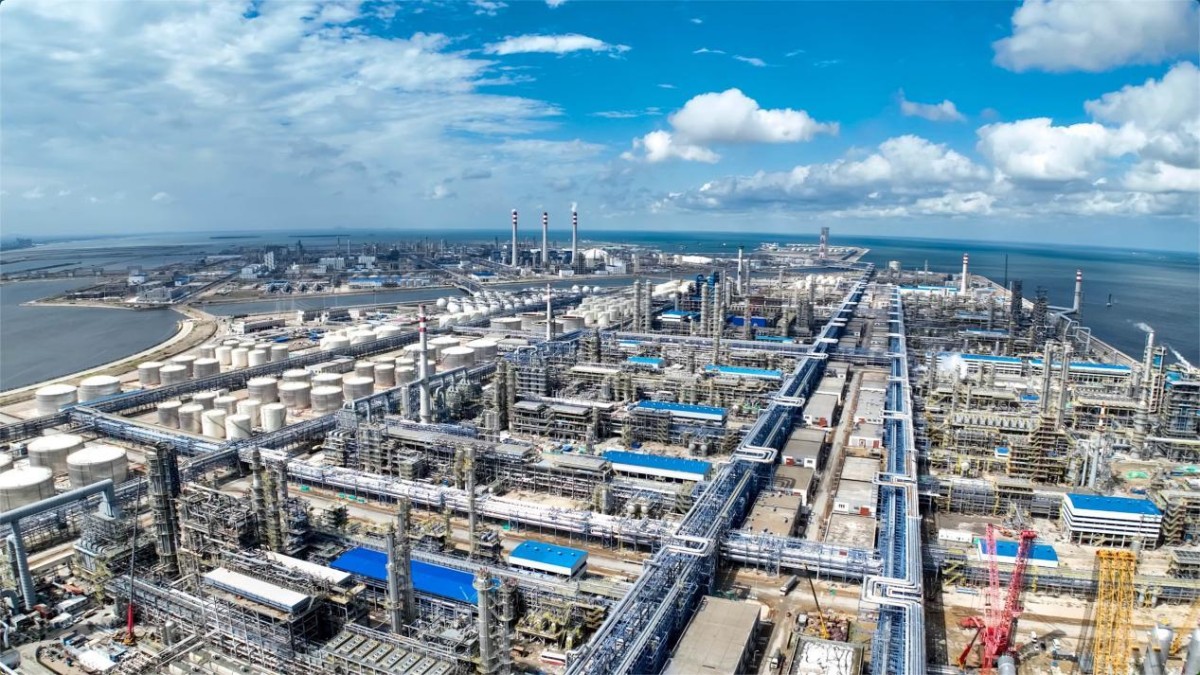
China's refiners imported less Iranian crude in August than they did in July, as the U.S. blockade reinstated in mid-July continues to squeeze crude supply to Iran's top oil customer.
So far this month, China is estimated to have imported about 534,000 barrels per day (bpd) of Iranian crude oil, down from an estimated 823,000 bpd in July, according to preliminary data by Kpler cited by Reuters.
The reinstated U.S. blockade on Iranian oil exports is preventing new supply from leaving the Persian Gulf, while Iranian oil volumes on the water in areas outside the Gulf of Oman, beyond the reach of the blockade, are shrinking fast, with only a few cargoes still available for purchase. That matters for China's independent refiners, which have typically absorbed much of Iran's sanctioned crude in recent years and often rely on opportunistic cargoes to keep smaller plants running efficiently.
Trade sources told Reuters on Friday that China's independent refiners are growing uneasy about the possibility of stricter sanctions enforcement in response to the U.S. threat to launch the "most crushing economic operation ever taken against any country," referring to Iran, and U.S. President Donald Trump's warning that any country extending a "lifeline" to Iran could face "TREMENDOUS Economic Consequences."
"Given the thin Iranian availability amid the U.S. blockade, Chinese teapots are now looking beyond Russia and Iran," Sun Jianan, a senior oil analyst at Energy Aspects, told the publication.
The availability of Iranian crude cargoes has dwindled over the past few weeks, with only a handful of laden tankers not being taken by buyers. The number of offers for September and October delivery has also collapsed, according to trade sources with knowledge of the market.
This leaves China's independent refiners, the so-called teapots, which have typically bought the lion's share of Iran's sanctioned oil in recent years, searching for alternatives. With feedstock choices tightening, the question for the sector is less about pricing and more about access to barrels that can keep plants supplied without disrupting throughput.
With the U.S. blockade effectively crippling Iranian supply, "Chinese teapots will need to step up purchases of alternative feedstocks, such as Russian Urals crude or fuel oil, as ESPO supplies were sold out weeks ago, or risk cutting throughput in October when their inventories run thin," Muyu Xu, senior crude analyst at Kpler, said on Friday.
By Charles Kennedy for Oilprice.com

