China Adds 20 Tons of Gold in July as Central Bank Reserves Reach Record High
Key Takeaways
- •The People's Bank of China added 20 metric tons of gold in July, bringing official reserves to a record 2,366 tons in what was the largest monthly purchase since October 2023.
- •Gold still accounts for a relatively small portion of China's total reserves, which exceed $3 trillion, leaving significant room for further accumulation before reaching the gold allocation levels seen in Western economies.
- •China's gold purchases are part of a broader global trend of central-bank buying, with countries including Turkey, India, and Poland also actively increasing their gold holdings in recent years.
- •The accumulation reflects a diversification strategy rather than an abandonment of the U.S. dollar, which remains the dominant currency in global reserves and international trade.
- •Sustained central-bank demand for gold could provide structural support for gold prices, though multiple factors including interest rates, inflation expectations, and investor sentiment also influence market direction.
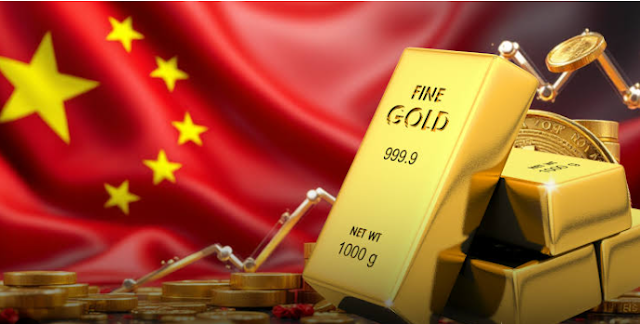
China Adds 20 Tons of Gold in July as Central Bank Reserves Reach Record High
China's central bank increased its gold holdings by 20 metric tons in July, marking its largest monthly purchase since October 2023 and pushing the country's official gold reserves to a record 2,366 tons.
The increase adds to a sustained accumulation trend by the People's Bank of China (PBOC) and underscores the growing importance of gold in Beijing's reserve-management strategy. The purchase comes as central banks worldwide continue to reassess gold's role in foreign-exchange reserves, with persistent geopolitical tensions, global trade uncertainty, and currency volatility concerns encouraging monetary authorities to increase exposure to the precious metal.
The development was highlighted in reporting shared by Cointelegraph (X post), adding to growing attention across financial and cryptocurrency markets toward China's continued gold accumulation.
China's Gold Reserves Reach a New Record
The PBOC has been steadily increasing its gold holdings, and July's purchase represents another milestone. After adding 20 tons during the month, China's official gold reserves reached approximately 2,366 tons — the largest monthly addition since October 2023, signaling renewed acceleration in gold-buying activity.
China's gold purchases have attracted considerable attention because central banks have become some of the most important buyers in the global gold market. Rather than relying exclusively on traditional reserve assets such as U.S. Treasury securities and other foreign currencies, central banks increasingly view gold as a diversification tool.
Despite the headline record, gold still accounts for a relatively modest share of China's total reserves — which exceed $3 trillion in foreign-exchange holdings — compared to countries such as the United States, Germany, and Italy, where gold represents over 60 percent of central-bank reserves. This gap leaves significant room for further accumulation before China's gold allocation approaches the levels seen in Western economies.
Why China Is Buying Gold
Diversification is one of the most important reasons behind China's continued accumulation. Gold differs from government bonds and fiat currencies because it is not issued by another government. For central banks, that characteristic makes gold attractive as a reserve asset during periods of geopolitical or financial uncertainty.
China holds a large amount of foreign-exchange reserves, including substantial exposure to dollar-denominated assets. Increasing gold holdings gives Beijing another form of reserve diversification. Gold also has a long history as a store of value and is widely recognized by financial institutions worldwide.
Gold and Geopolitical Risk
Global geopolitical tensions have played an important role in the renewed interest in gold among central banks. Conflicts, trade disputes, and sanctions can create uncertainty around traditional financial assets. Gold, by contrast, is not directly dependent on the financial system of any particular country.
This does not make gold immune to market volatility, but it provides central banks with a reserve asset that serves a different purpose from foreign currencies. China's continued gold purchases come at a time when international economic relationships are undergoing significant changes, including discussions among BRICS nations about expanding settlement in local currencies and reducing reliance on the dollar in cross-border trade.
The Dollar Remains Dominant
Despite the increase in gold holdings, the U.S. dollar remains the dominant currency in global reserves and international trade. China is not abandoning the dollar simply by purchasing gold; rather, gold accumulation represents one component of a broader reserve strategy.
The PBOC still maintains enormous foreign-exchange reserves. Increasing the share of gold provides a way to diversify exposure across different asset types. Gold purchases do not necessarily represent an immediate challenge to the dollar's global role, but they demonstrate that central banks are paying greater attention to reserve diversification.
Central Banks Have Become Major Gold Buyers
China's purchases are part of a broader global trend. Central banks around the world have significantly increased gold buying in recent years. The World Gold Council has repeatedly highlighted strong central-bank demand as one of the major factors supporting the gold market, with countries such as Turkey, India, and Poland among the most active buyers alongside China. Nations have sought to strengthen their reserves amid uncertainty surrounding inflation, currencies, and geopolitics.
Gold's lack of direct counterparty risk makes it particularly attractive to monetary authorities. A government bond represents a claim against an issuer, while physical gold does not depend on another institution honoring a payment obligation — a key reason central banks continue to hold it.
China's Long-Term Accumulation Strategy
China's gold-buying strategy extends well beyond a single month. The PBOC has accumulated gold over an extended period, although the pace of purchases has varied. July's 20-ton increase is notable as the strongest monthly addition in several years. The consistency of China's accumulation suggests that gold remains an important part of its longer-term reserve strategy, and continued central-bank buying can provide structural support for gold demand.
What Higher Gold Reserves Mean for China
A larger gold reserve gives China a financial asset that can be held independently of foreign governments, potentially strengthening the resilience of the country's reserve portfolio. Gold can also serve as a hedge against certain forms of financial instability.
However, gold does not generate interest income. Unlike Treasury securities, gold does not pay a coupon. Central banks must balance the benefits of holding gold against the opportunity cost of owning a non-yielding asset. China's continued purchases suggest that policymakers believe diversification benefits remain important.
Gold Has Become a Major Macro Indicator
Investors increasingly watch central-bank gold purchases as a signal of broader economic sentiment. When central banks increase gold holdings, markets may interpret the move as evidence that monetary authorities seek greater protection against uncertainty. This does not mean every gold purchase predicts an economic crisis, as central banks have different reserve-management objectives. Nevertheless, sustained buying can influence market psychology, and China's latest purchase is likely to draw attention from gold traders, currency investors, and macroeconomic analysts.
The Impact on Gold Prices
Central-bank purchases can affect gold prices through supply and demand dynamics. Gold production increases relatively slowly compared with financial assets. If large institutional buyers consistently absorb additional supply, the market can tighten. Strong central-bank demand can contribute to higher prices, particularly when combined with investment demand and geopolitical uncertainty.
However, gold prices are influenced by many factors, including interest rates, inflation expectations, the dollar, investor sentiment, and economic growth. China's purchases alone do not determine the direction of the gold market.
Why Gold Matters to Cryptocurrency Investors
Gold's growing role in central-bank reserves is also relevant to cryptocurrency markets. Bitcoin is frequently described by supporters as a digital alternative to gold, and both assets are viewed by some investors as potential stores of value existing outside traditional banking systems.
Bitcoin proponents argue that the cryptocurrency offers some of the same diversification characteristics while being easier to transfer globally. Critics, however, point out that Bitcoin remains significantly more volatile than gold, meaning the two assets serve different roles in traditional portfolios.
Gold and Bitcoin Are Not the Same Asset
Although Bitcoin and gold are sometimes compared, they are not identical. Gold has been used as money and a reserve asset for thousands of years, while Bitcoin has existed for less than two decades. Gold has been adopted by virtually every major financial institution, whereas Bitcoin's institutional adoption is growing but remains considerably newer.
The continued accumulation of gold by central banks demonstrates the enduring importance of the traditional asset. At the same time, growing institutional interest in Bitcoin suggests that digital assets are developing their own place within the global financial system.
China's Reserve Strategy and Global Markets
China's reserve strategy has implications beyond the gold market. As one of the world's largest economies and largest holders of foreign-exchange reserves, changes in the composition of those reserves are closely watched. If China continues to increase gold holdings, other countries may consider similar strategies, potentially creating additional structural demand for gold. However, reserve decisions are highly individual, with different central banks facing different economic conditions and geopolitical risks.
Could China Keep Buying?
The latest purchase raises the possibility that China's gold accumulation will continue. The PBOC has demonstrated a willingness to build its holdings over time. Future purchases will depend on gold prices, foreign-exchange conditions, economic policy, and broader reserve-management objectives. If gold remains strategically attractive, China could continue adding to its reserves, providing another source of support for the gold market.
Gold as a Hedge Against Inflation
Gold is often considered a hedge against inflation. When the purchasing power of fiat currencies declines, investors sometimes turn to precious metals, and central banks may view gold as valuable within a diversified reserve portfolio. However, gold's relationship with inflation is not always straightforward — prices can fall even when inflation remains elevated, particularly when interest rates and the dollar are rising. Gold should therefore be viewed as one component of a broader reserve strategy rather than guaranteed protection against inflation.
The Role of Interest Rates
Interest rates remain among the most important variables affecting gold. Because gold does not pay interest, rising bond yields can make fixed-income assets more attractive relative to the precious metal. When interest rates fall or expectations for monetary easing increase, gold can become relatively more appealing.
China's purchases are taking place within a complex global interest-rate environment. Investors will continue watching central-bank policy in the United States and other major economies for signals on how those decisions could affect gold demand.
China's Domestic Gold Market
China is also one of the world's largest gold markets. Chinese consumers, investors, and financial institutions have long maintained significant demand for gold. Gold jewelry is deeply established within Chinese culture, while investment products provide another source of demand. The Shanghai Gold Exchange, one of the world's largest physical bullion trading platforms, serves as a key hub connecting domestic supply and demand. The combination of official central-bank purchases and private-sector demand makes China an especially important participant in the global gold market.
A Broader Shift in Reserve Management
The most significant takeaway from China's latest purchase may be the broader change taking place in reserve management. For decades, central banks primarily focused on currencies and government securities, with gold's importance varying considerably. In recent years, however, gold has returned to the center of discussions about financial diversification. China's latest purchase illustrates that trend, suggesting Beijing continues to view physical gold as strategically valuable even after substantial increases in its reserves.
What Investors Should Watch Next
Investors will likely monitor China's monthly reserve data for evidence of continued accumulation. Another major purchase could strengthen expectations of a long-term strategy to increase gold exposure. A pause would not necessarily signal the end of the strategy, as central banks can adjust purchases depending on market conditions. Long-term trends are more informative than any single month's data. Other central-bank purchases will also remain important.
Conclusion
China's central bank added 20 metric tons of gold in July, bringing official holdings to approximately 2,366 tons — its largest monthly purchase since October 2023. The move highlights the continued importance of gold in China's reserve-management strategy amid a broader period of strong central-bank demand.
China's accumulation does not necessarily signal an abandonment of the U.S. dollar. Instead, it points to a broader effort to diversify reserves and maintain exposure to an asset independent of any single government or financial institution. For the global gold market, continued purchases by major central banks could provide an important source of structural demand.
For cryptocurrency investors, the development reinforces an increasingly important debate about the role of alternative stores of value in the international financial system. Gold remains the traditional reserve asset, while Bitcoin continues to develop as a newer digital alternative. The direction of global reserve management will depend on interest rates, inflation, geopolitical conditions, and currency movements. For now, China's record gold holdings demonstrate that the precious metal continues to occupy an important place at the highest levels of global finance.

