Oil Majors Post Higher Profits as Middle East Conflict Disrupts Global Energy Supplies
Key Takeaways
- •Chevron reported adjusted earnings of $6.06 per share, surpassing analyst expectations by approximately $0.50 per share, driven by stronger upstream operations.
- •Exxon Mobil posted adjusted earnings of $3.52 per share, falling slightly short of Wall Street expectations by approximately $0.08 per share despite benefiting from elevated energy prices.
- •Escalating geopolitical tensions surrounding the Iran conflict are disrupting global supply expectations and contributing to upward pressure on crude prices.
- •Chevron CEO Mike Wirth warned that declining global energy inventories and limited spare production capacity could leave energy markets increasingly vulnerable to disruptions.
- •The United States Strategic Petroleum Reserve remains near multi-decade lows following significant drawdowns in 2022 and 2023, reducing a key buffer against supply shocks.
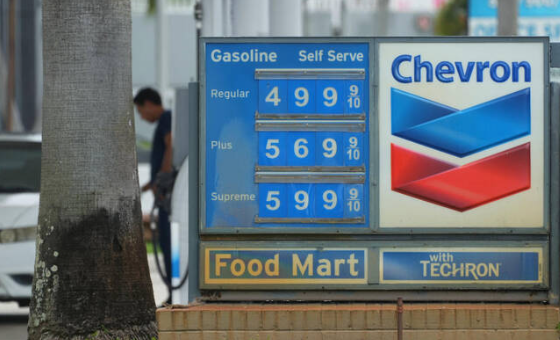
Major oil companies are reporting stronger financial results as rising crude prices and intensifying concerns over Middle East energy supplies create favorable conditions for global energy producers. The earnings mark a notable rebound from earlier quarters where softer commodity prices weighed on sector profitability, drawing parallels to the 2022 spike in oil prices following Russia's invasion of Ukraine that delivered record profits across the industry.
Chevron and Exxon Mobil both benefited from heightened oil market activity, with Chevron delivering stronger-than-expected earnings while Exxon reported a mixed result relative to Wall Street expectations.
The surge in energy prices accompanies escalating geopolitical tensions surrounding the Iran conflict, which continue to disrupt supply expectations across global markets. Investors have grown increasingly concerned that prolonged instability in the Middle East could threaten key oil-producing regions and place additional strain on global energy supplies. The Strait of Hormuz, through which roughly a fifth of the world's daily oil consumption passes, remains a particular focal point for supply security concerns.
The latest developments were highlighted by financial and cryptocurrency market analysis account Coin Bureau on X, drawing attention from investors tracking global economic trends. The broader impact, however, extends well beyond market speculation, as energy companies, governments, and consumers continue to assess the consequences of climbing oil prices.
Chevron Chief Executive Officer Mike Wirth warned that global energy markets face mounting pressure, stating the world may be "running out of time" as geopolitical tensions expand and inventories decline. The warning reflects growing concern that limited spare production capacity and falling stockpiles could leave energy markets more vulnerable to additional disruptions.
Chevron Delivers Strong Earnings Performance
Chevron reported adjusted earnings of $6.06 per share, exceeding analyst expectations by approximately $0.50 per share. The performance underscores the advantage major oil producers have gained from higher crude prices and improved market conditions.
Chevron's results were bolstered by stronger upstream operations, which encompass exploration and production activities. When oil prices climb, energy companies engaged in crude production typically see revenue gains because they can sell output at higher prices.
The company's performance illustrates how geopolitical uncertainty can produce significant financial effects across the energy sector. While conflicts and supply disruptions create economic challenges globally, major oil producers frequently benefit from higher commodity prices.
Exxon Mobil Reports Mixed Results
Exxon Mobil reported adjusted earnings of $3.52 per share, falling slightly below analyst expectations by approximately $0.08 per share. Although the company continued to benefit from elevated energy prices, the results demonstrated that not all major producers experienced the same degree of financial improvement.
Multiple factors can influence oil company earnings, including production levels, refining margins, operating costs, and broader market conditions. Exxon remains one of the world's largest integrated energy companies, with operations spanning oil production, refining, chemicals, and energy infrastructure. Despite missing expectations, the company continues to benefit from sustained long-term demand for oil and natural gas.
Middle East Conflict Creates Energy Market Uncertainty
The Middle East remains among the most critical regions for global energy markets. Countries in the area account for a significant share of global oil production and control major transportation routes used to deliver energy supplies worldwide.
Any disruption in the region can quickly affect oil prices because markets often react to potential supply risks before actual material shortages occur. The conflict involving Iran has heightened concerns among traders and energy analysts that supply disruptions could intensify. Even the possibility of reduced exports or damaged infrastructure can exert upward pressure on crude prices.
Energy markets are particularly sensitive to geopolitical events because oil is a globally traded commodity, and price movements in one region can ripple rapidly across the world. OPEC+, the coalition of the Organization of the Petroleum Exporting Countries and allied producers including Russia, manages output quotas for many of the world's largest suppliers and holds the majority of the world's current spare production capacity, making the group's decisions a critical variable in any supply disruption scenario.
Falling Inventories Increase Market Pressure
A key concern raised by Chevron CEO Mike Wirth is the decline in global energy inventories. Oil inventories serve as a buffer during periods of unexpected disruption. When stockpiles are high, markets have greater flexibility to absorb supply problems. Lower inventories, however, can amplify price volatility because even minor disruptions may have a disproportionate impact.
Energy analysts have been closely monitoring inventory levels as demand remains robust in several major economies. The United States Strategic Petroleum Reserve, the world's largest emergency oil stockpile, was drawn down significantly in 2022 and 2023 and remains near multi-decade lows, reducing one of the key buffers available to governments during supply shocks. The combination of reduced stockpiles and geopolitical uncertainty could generate additional upward pressure on prices.
Why Higher Oil Prices Benefit Energy Companies
Oil producers generally benefit when crude prices increase because their revenue is directly tied to the market value of the resources they sell. When oil moves from lower to higher price levels, companies can generate stronger cash flow. This additional revenue enables companies to increase shareholder returns through dividends and stock buybacks and can also support investments in exploration, production, and new energy projects.
Higher oil prices, however, also create challenges. Consumers frequently face increased gasoline and transportation costs, and businesses may encounter higher operating expenses that can contribute to broader inflationary pressures.
Impact on Global Inflation
Energy prices play a major role in the global economy because oil affects transportation, manufacturing, agriculture, and consumer goods. When crude prices rise, companies often face higher fuel and logistics costs, some of which may eventually be passed on to consumers.
Central banks monitor energy prices closely because inflation trends influence interest rate decisions. A sustained increase in oil prices could complicate efforts by policymakers working to maintain economic stability, while higher energy costs may dampen consumer spending and increase financial pressure on households.
Investors Turn Attention Toward Energy Stocks
The recent climb in oil prices has renewed investor interest in major energy companies. Energy stocks often perform well during periods of commodity price strength because company revenues improve. Large producers such as Chevron and Exxon have historically attracted investors seeking exposure to global energy markets.
Investors must also weigh risks, however, including geopolitical instability, regulatory changes, and long-term shifts toward renewable energy. The energy sector remains one of the most closely watched areas of global finance because of its direct connection to economic growth and security.
Global Supply Risks Remain a Major Concern
Energy markets are currently balancing several competing forces. On one side, oil demand continues to grow as economies expand and transportation needs increase. On the other, supply risks remain elevated due to geopolitical tensions and production uncertainties.
The Middle East plays a central role in this equation. Any major disruption involving key producers could have immediate effects on global oil prices. Energy companies are monitoring developments closely because unexpected events can rapidly reshape market conditions.
Chevron Warns About Future Energy Challenges
Chevron CEO Mike Wirth's warning highlights concerns about the long-term stability of energy markets. He emphasized that shrinking inventories and expanding geopolitical conflicts could create additional challenges for global supply.
The energy industry has faced repeated disruptions in recent years, including pandemic-related demand shocks, supply chain breakdowns, and geopolitical conflicts. These events have underscored how quickly energy markets can shift. Companies are now focusing on building resilience by maintaining flexible production strategies and investing in future supply capacity.
The Role of Oil in the Changing Energy Landscape
The global energy sector is undergoing significant transformation. Governments and companies are investing heavily in renewable energy, electric vehicles, and alternative technologies. Nevertheless, oil and natural gas remain essential components of the global economy. Many industries continue to depend on petroleum products, including aviation, shipping, manufacturing, and heavy transportation.
As a result, traditional energy companies remain highly influential. The transition toward cleaner energy sources is expected to continue, but oil is likely to remain a major part of the global energy mix for years to come.
What Higher Oil Prices Mean for Consumers
While oil companies benefit from higher crude prices, consumers often experience the opposite effect. Higher oil prices translate into more expensive gasoline, heating costs, and transportation expenses, which can affect household budgets and business operations alike.
Governments frequently monitor fuel prices closely because energy costs directly influence public sentiment and economic conditions. A prolonged period of elevated oil prices could pose both a political and economic challenge for many countries.
Outlook for Oil Markets
The future direction of oil prices will depend on multiple factors, including the trajectory of the Iran conflict, OPEC+ production policy decisions, global output levels, inventory replenishment, and demand growth. If supply disruptions persist, prices could remain elevated. Conversely, increased production from other regions or weaker economic growth could restrain further increases.
Energy companies are preparing for continued uncertainty as global markets remain sensitive to geopolitical developments. Several OPEC+ members have been cutting production in recent quarters to support prices, and the group's next moves will be closely watched for signals about how much additional supply may come to market.
Earnings Reports Highlight Dual Impact
Oil majors are benefiting from a challenging global environment as Middle East tensions disrupt supply expectations and push crude prices higher. Chevron delivered stronger-than-expected earnings of $6.06 per share, while Exxon Mobil posted $3.52 per share, slightly below forecasts. The results underscore the financial impact of rising energy prices and the importance of geopolitical stability in global markets.
Chevron CEO Mike Wirth's warning that energy markets face growing pressure highlights broader concerns about declining inventories and ongoing conflicts. As uncertainty persists, investors, governments, and consumers will be closely watching developments in the Middle East and their implications for the future of global energy supplies. The latest earnings reports demonstrate that while oil producers may benefit from higher prices, the broader economy remains vulnerable to the challenges created by energy market volatility.
Source: HokaNews

