Oil Giants See Profits Rise as Middle East Conflict Disrupts Supply and Sends Crude Prices Higher
Key Takeaways
- •Chevron reported adjusted earnings of $6.06 per share, exceeding analyst expectations by approximately $0.50 per share.
- •Exxon Mobil posted adjusted earnings of $3.52 per share, falling short of forecasts by roughly $0.08 per share.
- •Chevron CEO Mike Wirth cautioned that global energy markets are under increasing strain as Middle East conflicts expand and oil inventories continue to decline.
- •The Strait of Hormuz, through which roughly one-fifth of global daily oil consumption transits, remains a critical chokepoint vulnerable to disruption.
- •OPEC+ production restraint measures have already tightened global supply, leaving less buffer when geopolitical disruptions occur.
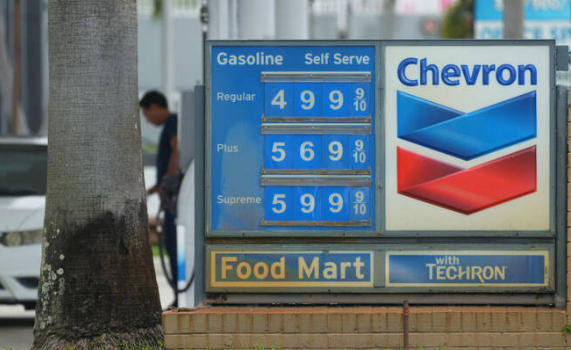
Global energy markets are confronting renewed uncertainty as major oil companies reap the benefits of surging crude prices, driven by supply disruptions tied to escalating tensions in the Middle East.
Industry leaders Chevron and Exxon Mobil have both released notable financial results, with investors weighing the effects of supply interruptions, shrinking inventories, and intensifying geopolitical risk across one of the world's most critical energy-producing regions. The earnings arrive against a backdrop of OPEC+ production restraint measures that have already been tightening global supply, leaving less cushion when geopolitical disruptions strike.
Chevron and Exxon Mobil Earnings
Chevron posted stronger-than-anticipated results, reporting adjusted earnings of $6.06 per share, surpassing analyst expectations by approximately $0.50 per share.
Exxon Mobil, by contrast, reported adjusted earnings of $3.52 per share, falling short of forecasts by roughly $0.08 per share — underscoring the uneven impact that shifting market conditions are having across major energy producers.
The latest developments have been widely discussed across financial communities, including information shared by the Coin Bureau account on X, which drew attention to the relationship between geopolitical events, commodity markets, and corporate earnings.
Chevron CEO Warns of Mounting Pressure
Chevron CEO Mike Wirth cautioned that global energy markets are under increasing strain, stating that the world may be "running out of time" as the conflict expands and inventories continue to decline. His remarks reflect mounting concern among energy executives that supply disruptions could become progressively harder to manage if geopolitical tensions continue to escalate.
The conflict involving Iran and broader instability in the Middle East have raised alarm over potential disruptions to global oil flows, pushing crude prices higher and intensifying pressure on governments, businesses, and consumers worldwide.
The Strategic Importance of the Middle East
The Middle East remains one of the most strategically vital regions for global energy markets. Nations in the region account for a substantial share of worldwide oil production and control critical shipping routes used to transport crude to international markets.
Among the most important of these routes is the Strait of Hormuz, a narrow waterway through which roughly one-fifth of global daily oil consumption transits. Any threat to transportation routes or production facilities can swiftly influence global energy prices. Even the mere possibility of supply disruptions often triggers market reactions, as traders price in future risks.
The recent rise in crude prices illustrates how sensitive energy markets remain to geopolitical developments. Benchmark prices such as Brent and West Texas Intermediate (WTI) are shaped not only by current supply and demand but also by expectations about future availability. When investors anticipate tighter supplies, prices can climb rapidly as markets adjust.
Divergent Results Across Integrated Energy Companies
For oil companies such as Chevron and Exxon Mobil, these price movements can significantly affect profitability. During periods of elevated oil prices, producers typically generate substantially higher cash flow, enabling them to boost shareholder returns, invest in new projects, and strengthen balance sheets.
Chevron's strong earnings performance reflects the company's ability to capitalize on favorable market conditions. The company has maintained a diversified portfolio of upstream oil and gas operations, allowing it to capture opportunities across different regions and markets. Historically, higher crude prices have given major energy producers additional financial flexibility, with companies using stronger cash flows to increase dividends, conduct share buybacks, reduce debt, and invest in future production capacity.
Exxon Mobil's slightly weaker performance highlights the complexity of the current environment. While higher oil prices generally benefit producers, company results can vary depending on production levels, refining margins, operational costs, and broader market conditions. Large integrated energy companies operate across multiple segments — including exploration, production, refining, chemicals, and transportation — and each division responds differently to changes in commodity markets. Refining businesses, for instance, may face challenges distinct from those affecting upstream oil production; while crude producers benefit from higher oil prices, refiners can experience margin pressure if costs rise faster than product demand.
Source: X post
Energy Security and Economic Implications
The current market environment underscores the continued importance of energy security. Governments worldwide are closely monitoring developments, as oil price increases can influence inflation, interest rate decisions, and economic growth. Higher fuel prices affect consumers directly through transportation costs and indirectly through elevated prices for goods and services.
Central banks routinely factor energy prices into their assessment of inflation trends. A sustained increase in oil prices could complicate matters for policymakers striving to balance economic growth with price stability.
Although renewable energy investment continues to expand globally, oil remains a critical component of the modern economy. Transportation systems, industrial operations, and petrochemical production still depend heavily on petroleum-based products, meaning disruptions in major oil-producing regions continue to have worldwide consequences.
Declining Inventories Heighten Market Vulnerability
Energy analysts have stressed that declining inventories could render markets more vulnerable to future supply shocks. When global oil reserves are relatively low, even minor disruptions can produce outsized price movements. Chevron's warning reflects concerns that the situation could worsen if additional supply disruptions materialize. The company's leadership has urged policymakers and industry participants to recognize the importance of maintaining adequate energy supplies.
The conflict's impact on oil markets also illustrates how geopolitical risks remain a dominant factor for investors. Energy markets frequently react to developments involving major producing countries, as oil supply is deeply intertwined with international politics. Investors routinely monitor military conflicts, diplomatic negotiations, sanctions, and government policies when evaluating future commodity prices.
A Complex Global Balance
For consumers, rising oil prices impose financial pressure through higher gasoline costs, transportation expenses, and increased prices for everyday products. Businesses may also confront higher operating costs, particularly those that depend heavily on fuel and logistics. The broader economy can experience ripple effects when energy prices climb significantly.
At the same time, elevated oil prices deliver economic benefits to producing countries and energy companies. Oil-exporting nations may collect increased revenue, while producers can generate stronger profits — creating a complex global dynamic in which the same market conditions advantage some participants while disadvantaging others.
Looking Ahead
The latest earnings reports from Chevron and Exxon Mobil demonstrate how rapidly the energy industry can shift in response to global events. Companies that successfully manage production, costs, and market exposure can benefit considerably during periods of higher prices. Yet uncertainty remains high as geopolitical tensions continue to evolve.
The future trajectory of oil markets will depend on multiple factors, including the duration of the conflict, potential supply disruptions, global demand trends, and responses from major energy-producing nations. Further escalation could introduce additional volatility, while diplomatic solutions could stabilize or reduce prices.
Chevron's stronger-than-expected earnings and Exxon Mobil's mixed results offer a window into how different companies are navigating the current landscape. With inventories declining and geopolitical uncertainty mounting, the coming months could prove pivotal in determining the next phase of the oil market — a reminder that energy security remains deeply connected to global stability.

