Central Plains Drought Takes Toll on Pasture and Cattle Herds
Key Takeaways
- •Persistent drought in the Central Plains is pushing some cattle producers to cull their herds more heavily than usual.
- •Peak cool-season grass production in the Nebraska Sandhills in mid-June was only about 22 percent of the 20-plus-year average, the lowest grass production in decades.
- •Western Nebraska saw well-below-average rainfall from April through June, with some months the driest on record.
- •The U.S. cattle herd was already at historically low levels after multi-year drought earlier this decade drove widespread liquidation.
- •Recent moisture has produced a 27 percent increase in grass growth, and grazing-season conditions will guide producers' decisions on holding, culling, or feeding cattle into fall.
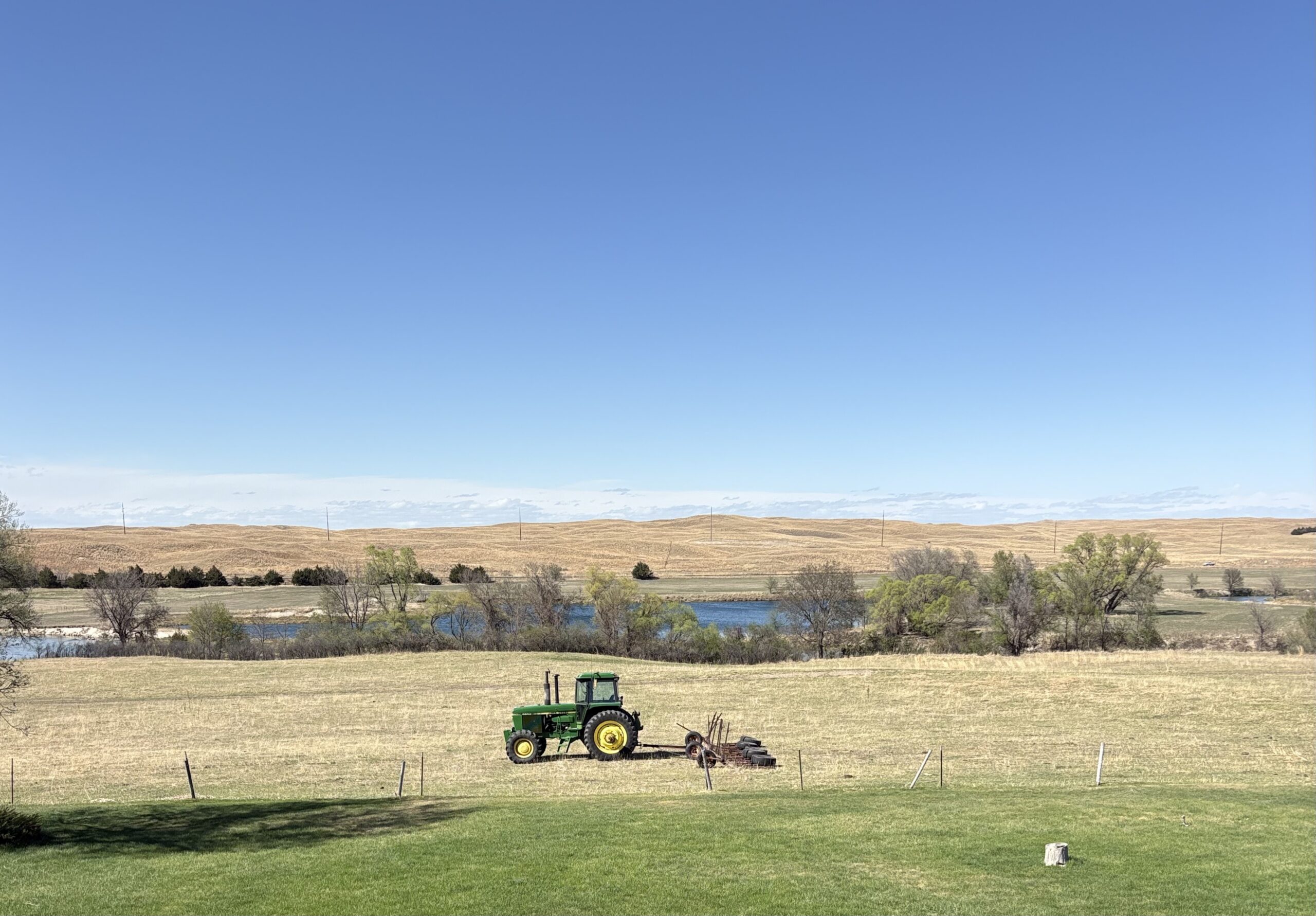
Persistent drought across the Central Plains is pushing some cattle producers to cull their herds, according to a rangeland forage specialist. The Central Plains, including Nebraska's Sandhills, sit at the heart of U.S. cow-calf production, where herds graze native rangeland rather than planted crops — making grass growth, not grain prices, the primary driver of feed availability.
Mitch Stephenson of the University of Nebraska says limited feed supplies remain a key factor for producers in the region. "I do think that people are culling a little bit heavier than they have. They're either finding other pasture, and in some cases, they're just feeding animals. In extreme cases, they didn't even turn their cattle out." Heavier culling during drought is a well-documented ranching response: when grass runs short, selling breeding animals is often the only way to match herd size to available forage, though rebuilding a herd afterward can take years because of cattle's slow reproductive cycle.
Pasture and range conditions, he says, are abysmal. "April, May and into June a lot of areas in western Nebraska didn't see a lot of rainfall. Well below average in that regard. Those months, in a lot of cases, were the driest they've ever been." This follows a period in which the U.S. cattle herd has already been at historically low levels after multi-year drought earlier this decade drove widespread liquidation across the Plains.
Stephenson tells Brownfield that the lack of rainfall has contributed to the lowest grass production in several decades. "The long-term data collection in the middle of the Sandhills would suggest that in the middle of June when that's our peak standing crop for cool season grasses, we were only about 22 percent over the last 20-plus years."
There are signs of improvement, however. Stephenson says moisture received over the past several weeks has sparked some recovery, with data collected this month showing a 27 percent increase in growth. How conditions develop through the remainder of the grazing season will shape producers' decisions on whether to hold, cull, or continue feeding cattle into fall.
Source: Brownfield Ag News
