Brixton Reports 5,015 g/t Silver Over 20 Metres at Langis Project in Ontario
Key Takeaways
- •Drill hole LM-26-377 at Brixton's Langis project in Ontario returned 20 metres grading 5,015 grams silver per tonne, including 14 metres at 7,150 g/t from previously unmined ground.
- •Brixton plans to drill up to 60,000 metres at Langis to define an initial NI 43-101 mineral resource, having already completed 24,017 metres in 105 holes this year.
- •The former Langis mine produced 10.4 million ounces of silver between 1908 and 1989, while the broader Cobalt camp has yielded over 445 million ounces historically.
- •Mineralization has been traced for at least 100 metres along strike in the Shaft 6 Southeast area and remains open in both directions along strike and at depth.
- •Brixton's shares rose 31% following the assay results, trading at 78 cents per share with a market capitalisation of $57 million (US$40.5 million).
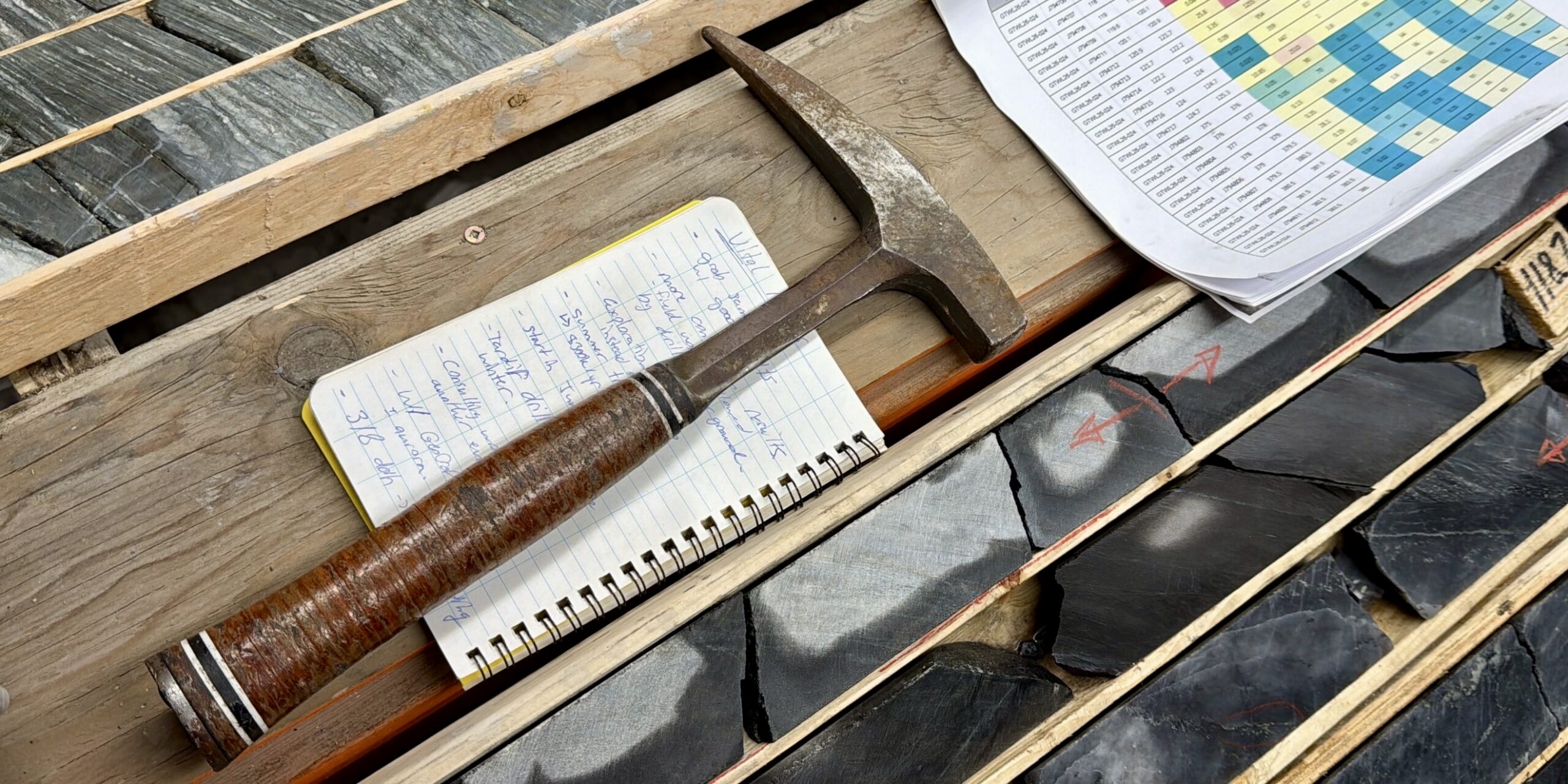
Brixton Metals (TSXV: BBB; US-OTC: BBBXF) has identified a high-grade silver target at its brownfield Langis project in Ontario, after assay results returned 20 metres grading an average of 5,015 grams silver per tonne from ground not previously affected by mining.
The interval was intersected in hole LM-26-377 from 165 metres downhole at Langis, located about 500 km north of Toronto. The intercept included 14 metres grading 7,150 grams silver per tonne from 169 metres. True widths have not yet been determined.
“As far as we can find in publicly available data, hole 377 represents one of the highest reported silver intercepts globally,” CEO Gary Thompson said in a Tuesday release. “We have a lot more holes that we plan to drill at Langis.”
The result gives Brixton a new unmined target adjacent to a historically productive silver system as the company works toward an initial mineral resource. Additional drilling will be needed to determine whether hole 377 links with another exceptional intercept 140 metres to the west and whether the mineralization forms a continuous zone that could be mineable.
Brixton shares had risen 31% since Tuesday and were trading at 78¢ per share by mid-Friday. The company's market capitalisation was $57 million (US$40.5 million). Over the past 12 months, its shares have traded between 45¢ and $1.45 apiece.
The intercept comes amid renewed exploration interest in the Cobalt camp, a district that helped establish Canada's mining industry but has seen limited modern systematic drilling. The region's historical operators focused on narrow, high-grade native-silver veins, leaving broader zones of disseminated mineralization largely untested with contemporary techniques.
Follow-up drilling
Brixton has traced mineralization for at least 100 metres along strike in the Shaft 6 Southeast area, where there are no known stopes or underground workings. The zone remains open both along strike and at depth.
Other recent drill results indicate that elevated grades extend beyond the standout intercept. Hole LM-26-353 returned 13 metres averaging 287.8 grams silver per tonne from 144 metres downhole, including 2.15 metres grading 1,634 grams silver per tonne from 153 metres.
Hole LM-26-352 intersected 7 metres grading 275 grams silver per tonne from 148 metres, including 0.5 metre at 2,620 grams silver per tonne from 151.25 metres.
Brixton is drilling between Shaft 6 Southeast and the nearby Shaft 6 South zone while also testing extensions and the geological structures that control the highest-grade mineralization. The company had completed 24,017 metres in 105 holes this year and plans to drill up to 60,000 metres at Langis.
The two areas host silver both in veins and disseminated through the surrounding host rocks. That broader style of mineralization could expand the target beyond the narrow native-silver veins that accounted for much of the historical production in the Cobalt camp.
Mine history
The former Langis mine produced 10.4 million oz. silver intermittently between 1908 and 1989, at head grades of 20 to 25 oz. per tonne. Previous operators developed more than 10 km of underground workings and reported recoveries ranging from 88% to 98%.
Across the Cobalt camp, mines have produced more than 445 million oz. silver. The original silver rush transformed Cobalt into a busy city of about 12,000 people in Ontario's remote north more than a century ago and eventually led to the creation of The Northern Miner to cover the mining industry.
Langis does not currently have a mineral resource. Brixton has outlined a conceptual exploration target of 1 million to 2 million tonnes grading 400 to 800 grams silver per tonne, but additional drilling is required before the company can define a resource under NI 43-101 standards. The planned 60,000-metre program is central to that effort, as a formal resource estimate requires sufficient drilling density to demonstrate geological and grade continuity.
Brixton is also separately testing silver remaining in the mine tailings. The company has drilled 261 metres and submitted samples for assays and metallurgical testing as it works toward an initial tailings resource estimate.
Investor Palisades Goldcorp (TSXV: PALI) holds 3.57 million Brixton warrants exercisable at $1 until Dec. 18, 2028. If exercised, the warrants would give Palisades a 4.6% stake, directly linking its share performance and outlook to Brixton's results.

