Oil Climbs Above $97 as US-Iran Strikes Stoke Supply Fears; FTSE 100 Set to Dip
Key Takeaways
- •Brent crude rose above $97 per barrel on Monday following the latest US-Iran strikes.
- •The US targeted three Iranian oil tankers in retaliation for ballistic missile attacks on US Navy warships.
- •Iran has pledged to introduce a 'restricted' maritime zone beyond the Strait of Hormuz in the coming days.
- •The Strait of Hormuz previously carried around 20% of the world's oil and liquefied natural gas supplies.
- •London's FTSE 100 was set to dip at the open as investors weighed higher energy costs.
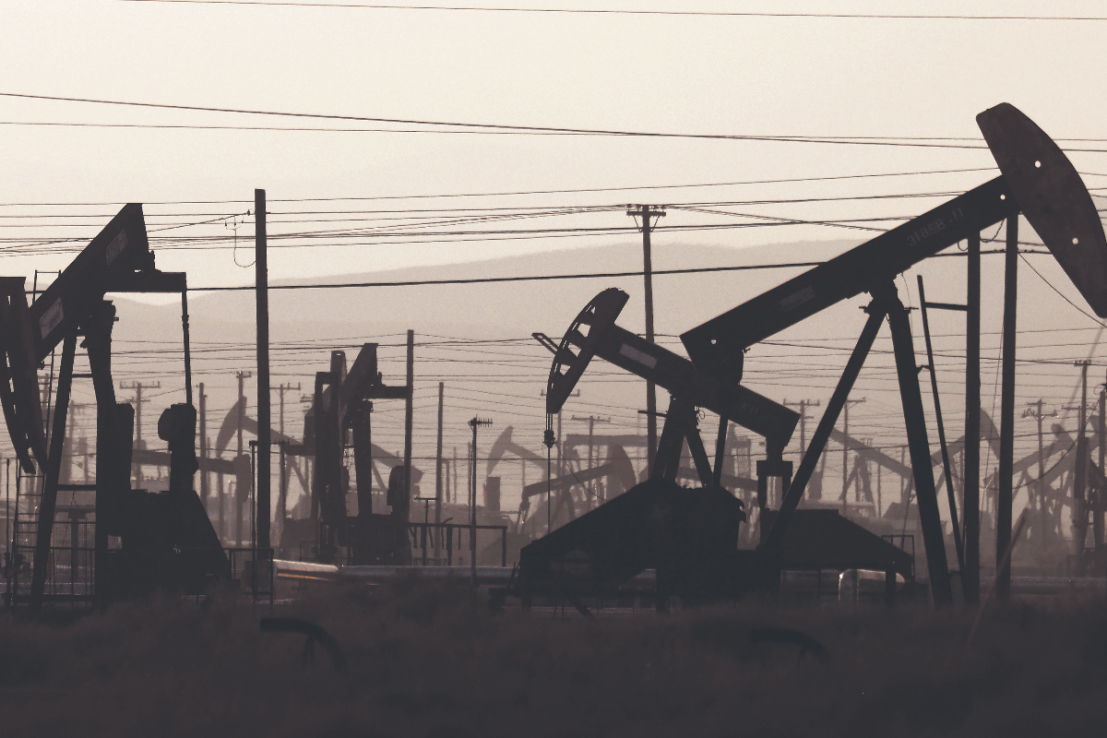
Markets are returning from the weekend to weigh the latest escalation in Middle East tensions, after the United States and Iran continued to exchange strikes, stoking fears of a hit to global oil supply.
Brent crude, the international benchmark for oil prices, moved higher on Monday morning, creeping above $97 per barrel. The move higher in Brent matters well beyond energy markets: the benchmark feeds into everything from pump prices and airline fuel costs to broader inflation measures, meaning any sustained disruption to Middle East supply flows tends to ripple through the wider economy.
The rise follows the US targeting three Iranian oil tankers over the weekend in retaliation for ballistic missile attacks on US Navy warships. Tehran has hit back, attacking oil tankers and other vessels linked to the US, and has pledged to introduce a "restricted" maritime zone beyond the Strait of Hormuz in the coming days — a step traders will be watching closely, given its potential to further deter shipping through one of the world's most important energy chokepoints.
US energy secretary Chris Wright has urged other nations to support the American effort to reopen the Strait of Hormuz, stating: "World trade should not be the sole responsibility of the United States."
The 60-day ceasefire between the US and Iran formally expired last month, but there has been little sign of a further diplomatic solution on the horizon.
On Friday, Trump repeated the US position and claimed the conflict is not a "war".
"I call it a military conflict because it's small potatoes for us. It's not a big thing," the US President said, referring to the ongoing attacks as "intermittent".
The continuing tensions have left ships hesitant to travel through the Strait of Hormuz — which previously carried around 20 per cent of the world's oil and liquefied natural gas supplies — until safe passage is confirmed.
The strain is also feeding through to equities, with London's FTSE 100 set to dip at the open as investors weigh the prospect of higher energy costs against the oil price rally.
Further market updates and analysis will follow throughout the day.
