BP Puts Its North Sea Oil Business Up for Sale
Key Takeaways
- •BP has formally begun marketing its UK North Sea business as part of a portfolio simplification effort led by CEO Meg O'Neill.
- •The UK's Energy Profits Levy has raised the effective tax rate on North Sea oil and gas producers to 75 percent, contributing to diminished investment attractiveness in the basin.
- •BP was the last major international oil company to retain an independent UK North Sea business after Shell, Equinor, and TotalEnergies had already combined or merged their respective assets.
- •The divestment reflects a broader industry shift in which international majors are ceding North Sea operations to smaller, domestically focused independents that see value in late-life assets.
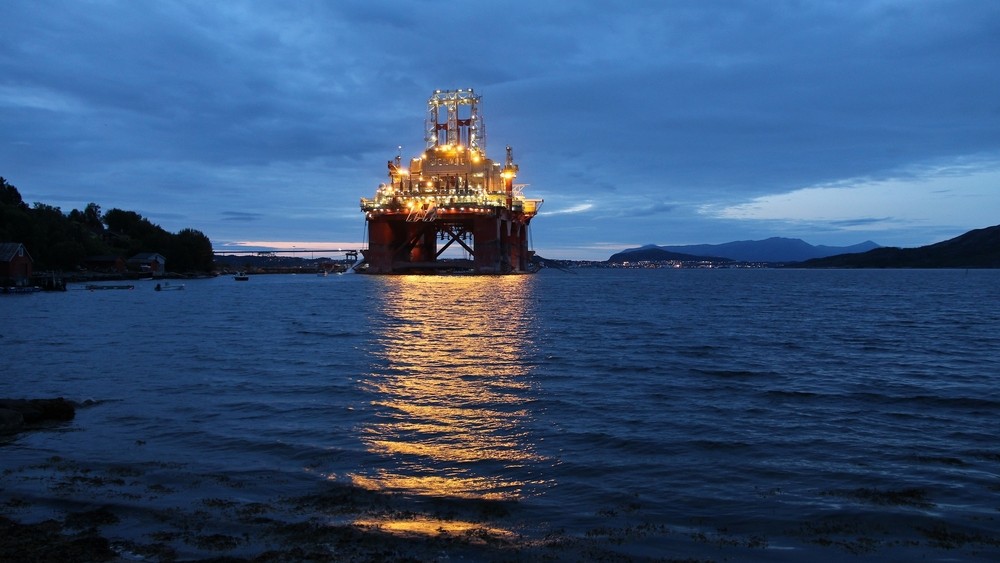
BP on Friday formally launched a process to market its North Sea business, as the UK-based supermajor moves to simplify its portfolio and redirect capital toward high-return projects.
The launch of a potential sale follows months of speculation that BP would divest part or all of its UK North Sea operations to concentrate on reserve growth and long-term production opportunities outside the UK. The move also comes against a backdrop of the UK's Energy Profits Levy, which raised the effective tax rate on North Sea oil and gas producers to 75%, contributing to a broader reassessment of investment in the maturing basin.
"The decision forms part of bp's ongoing portfolio review and reflects its disciplined approach to capital allocation – all in service of creating a simpler, stronger and more valuable company," the supermajor said in a statement.
"The North Sea remains integral to the UK's energy system. However, as we focus our portfolio and direct capital to our highest-value opportunities, we believe our North Sea business will be better positioned as part of another company," said chief executive officer Meg O'Neill.
"It has world-class people, resilient assets and a proud heritage, and it is precisely these qualities that can attract an owner ready to back its next chapter. We are seeking an outcome that recognizes that value."
Earlier this month, O'Neill said BP had begun simplifying its portfolio, cutting costs, and would make fewer but better choices regarding which projects to fund.
"We are taking concrete action to grow long-term value for shareholders: simplifying our portfolio, reducing costs, maintaining tight discipline on capex and strengthening the balance sheet," O'Neill — the first female CEO of a Big Oil company — wrote in a LinkedIn post reflecting on her first 100 days as BP's top executive.
"We need to be deliberate about where we invest and where we don't. We need to make fewer, better choices and hold ourselves to account," O'Neill wrote.
BP had been the last supermajor to have neither sold nor combined its UK North Sea business in recent years. Shell and Equinor combined their oil and gas assets into a standalone company, Adura. TotalEnergies merged its assets with NEO NEXT to create NEO NEXT+, in which the French supermajor holds a 47.5% interest. The wave of consolidations and exits reflects the broader evolution of the North Sea, where international majors are increasingly ceding ground to smaller, domestically focused independents that see value in late-life assets and infrastructure.
By Tsvetana Paraskova for Oilprice.com

