U.S. Oil Majors Take a Harder Line in Labor Disputes as BP and Marathon Lock Out Refinery Workers
Key Takeaways
- •Exxon's 2021 lockout of up to 650 workers at its Beaumont refinery lasted 10 months, the longest labor dispute at a U.S. refinery in four decades, and ended with workers accepting the company's contract.
- •BP and Marathon Petroleum have locked out workers at their refineries in Whiting, Indiana, and Martinez, California, while keeping the facilities running with contractors, supervisors, and replacement workers.
- •BP's proposed contract includes an average 13% raise over four years, but the first two years' increases fall below national oil bargaining standards, and the company seeks bargaining-rights waivers on AI tools and time clocks.
- •BP hired Jordan Marcks, the former Exxon official who oversaw the Beaumont lockout, as lead negotiator, and has written to USW Local 7-1 proposing federal mediation.
- •BP more than doubled its second-quarter profit year over year, with underlying earnings of $5.7 billion driven by higher oil prices and stronger refining margins.
The largest oil companies in the United States are taking an aggressive stance in unionized labor negotiations as they press for greater concessions from workers' unions in new contracts.
In recent years, several top U.S. refining companies have resorted to lockouts to secure acceptance of most of management's proposals in new labor agreements. The pattern emerged earlier this decade, when Exxon locked out as many as 650 workers at its Beaumont refinery for 10 months in 2021—the longest labor dispute at a U.S. refinery in four decades. The dispute ended with workers accepting the company's contract offer, and Exxon has since operated the refinery with a mix of union and nonunion labor—a precedent that other majors have taken note of in subsequent negotiations.
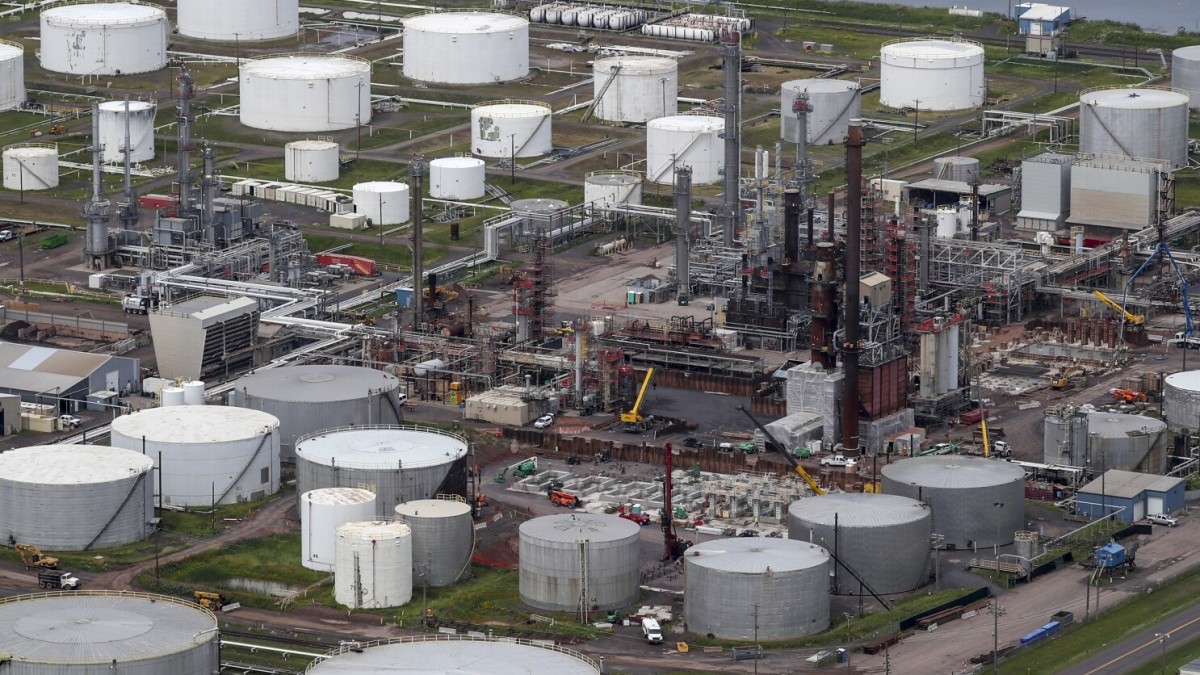
Five years on, BP and Marathon Petroleum find themselves in a similar position, locking out workers at their refineries in Whiting, Indiana, and Martinez, California, respectively, amid disputes over union contracts. Both facilities continue to operate with contractors, supervisors, and replacement workers, demonstrating that Big Oil is far less hesitant than it once was to deploy replacement staff while pursuing concessions from unions. As a result, one of the unions' most powerful bargaining tools—the argument that skilled unionized labor is essential to operations—is being undermined. The stakes are significant for the broader U.S. fuel supply chain: Whiting is BP's largest refinery and a major supplier of gasoline, diesel, and jet fuel to the Midwest, while Martinez is a key facility on the U.S. West Coast, meaning prolonged disruptions at either site can ripple through regional fuel markets.
BP's lockout at the Whiting refinery, in place since March 2026 over contract disputes, suggests the industry's biggest players are now playing hardball to win union acceptance of their proposals. The negotiations unfold against the backdrop of the national oil bargaining framework led by the United Steelworkers, which sets pattern standards for wages and conditions across much of the U.S. refining and petrochemical sector—making the terms reached at individual sites a reference point for the industry as a whole.
Under its offer, BP has proposed an average 13% raise—or more than $7 per hour—over four years, and has agreed that raises in the final two years of the agreement would match the levels set at the national oil bargaining. The proposed 13% raise for the first two years, however, falls below the national oil bargaining standards. BP also wants to transfer "some non-core craft line work to our incumbent specialized third-party contractors, just as most of our competitors already do today." In addition, the supermajor has proposed a clear waiver of bargaining rights in two areas—one concerning the use of AI tools and technology, and another concerning the use of time clocks.
Eric Schultz, president of United Steelworkers Local 7-1, told Reuters that BP is running "the exact same playbook" as Exxon did in its 2021 dispute. According to the union representative, BP has hired Jordan Marcks—the former Exxon management official who oversaw the Beaumont lockout—as lead negotiator in the Whiting dispute.
Marcks, Head of People Relations Americas at BP North America, wrote to the union this week requesting a representative response about federal mediation. "We are available and prepared to meet. And we continue to believe that direct dialogue is a more productive path than public debate," Marcks wrote in the letter to USW 7-1.
The nearly six-month standoff at Whiting has shown that the biggest oil firms are willing to keep operations running with replacement workers in order to secure union acceptance of their proposals. The outcome of the dispute could reshape how oil majors approach labor contracts and disputes going forward, and whether federal mediation produces a breakthrough—or another Beaumont-style marathon—is likely to influence how both management and union locals across the refining sector prepare for the next round of negotiations.
The situation also illustrates Big Oil's continuing push to cut costs and remain competitive, even as the past six months have produced huge profits across the industry's upstream, refining, and trading businesses amid surging oil prices and disrupted crude and fuel supply from the Middle East.
BP, for example, more than doubled its second-quarter profit from a year earlier on the back of higher oil and gas prices and stronger refining margins driven by the Middle East supply disruption. The jump in oil and gas prices, combined with significantly higher refining margins and stronger oil and gas trading profits year over year, lifted BP's underlying earnings to $5.7 billion, above analyst expectations.
The earnings surge comes at a crucial moment for BP, as CEO Meg O'Neill looks to simplify the business and focus on its most profitable assets in a bid to create shareholder value and demonstrate to investors that BP's stock can be attractive again.
By Tsvetana Paraskova for Oilprice.com
