Blossom Gold Drilling Expands Mineralized Zones at Nevada's Rosebud Project
Key Takeaways
- •Blossom Gold's latest drilling at Rosebud identified broad mineralized zones, with hole BG26-027 intercepting 28 metres grading 1.682 grams gold per tonne from 170.9 metres downhole.
- •The Rosebud project hosts an inferred resource of 70.8 million tonnes containing 1.29 million ounces of gold and 13.39 million ounces of silver based on a December 2025 estimate.
- •Blossom's exploration strategy targets near-surface mineralization suitable for lower-cost open-pit mining and heap-leach processing rather than the underground methods historically used at Rosebud.
- •The company has completed approximately 60% of its planned 24,000-metre drilling program and expects to finish surface and underground drilling ahead of an updated resource estimate in the first quarter of next year.
- •Rosebud was previously operated as an underground mine by Newmont and Hecla Mining from 1997 to 2000, producing roughly 400,000 ounces of gold and 2.3 million ounces of silver.
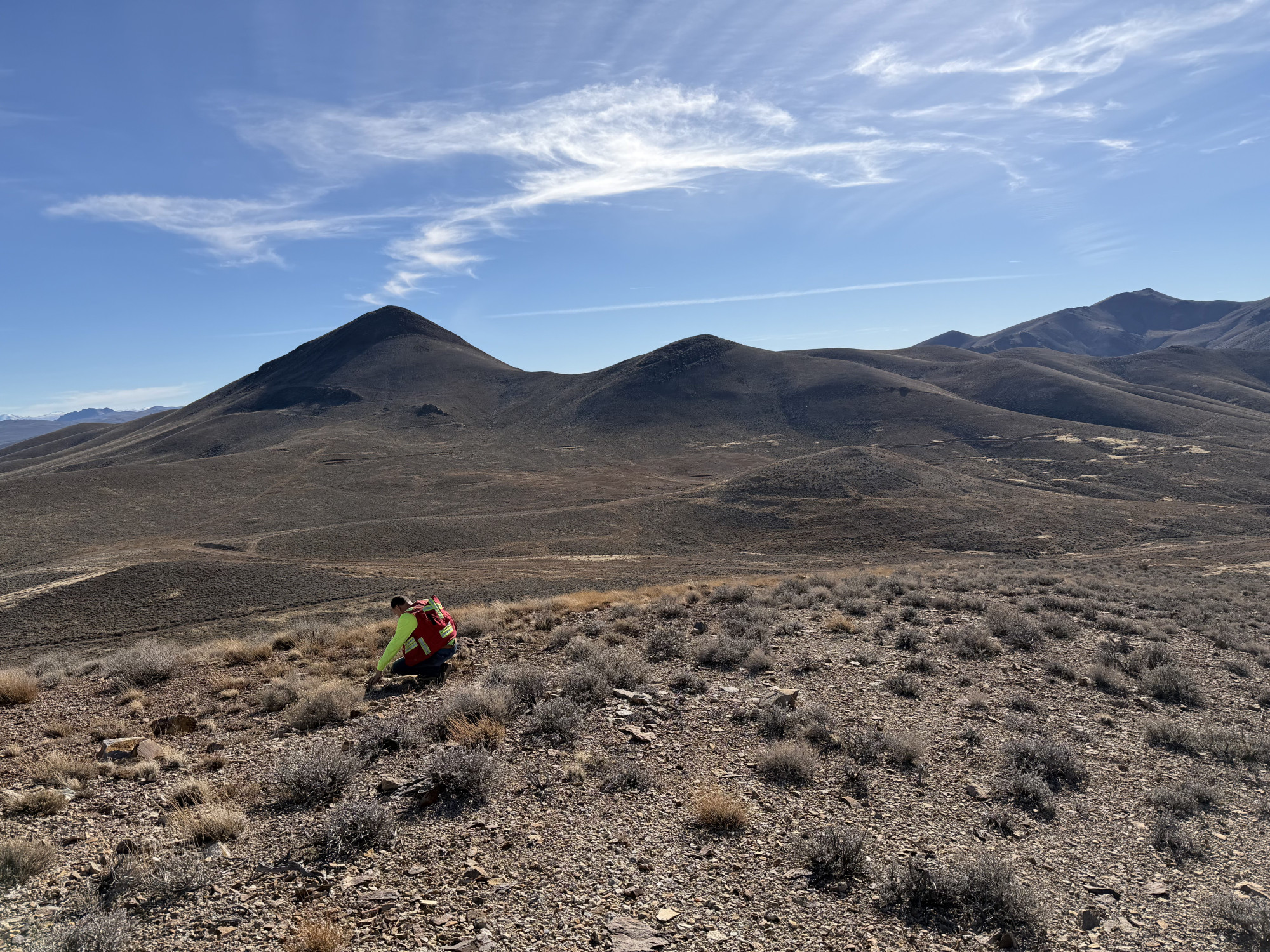
Recent drilling by Canadian explorer Blossom Gold (TSX: BGAU) at its Rosebud open-pit, heap-leach project in Nevada has identified broad mineralized zones surrounding areas of historical underground mining. Nevada ranks among the world's most prolific gold-producing jurisdictions, producing roughly 4.6 million ounces annually and hosting some of the largest gold mines on the planet.
The company released results from several holes on Wednesday. Hole BG26-027, located in the south zone, intercepted 26 metres grading 0.643 gram gold per tonne from 132.8 metres depth, followed by 28 metres grading 1.682 grams gold from 170.9 metres downhole. In the southwest zone, hole BG26-023 cut 8.9 metres of 0.757 gram gold per tonne starting at 105.8 metres.
Additional highlights from the latest batch include hole BG26-024 in the south zone, which returned 25.3 metres grading 0.864 gram gold from approximately 160 metres depth. Hole BG26-030 intersected 115 metres grading 0.553 grams gold from 1812 metres, including roughly 53 metres of 0.860 gram gold from 197 metres downhole.
"These results continue to demonstrate the scale of the mineralized system at Rosebud as well as what wasn't mined underground," CEO Rick Winters said in the company's statement. "We are open and expanding in the northeast and southwest zones and have yet to drill the northwest zone."
The results are notable because Blossom's strategy centers on evaluating near-surface mineralization amenable to open-pit mining and heap-leach processing — a lower-cost extraction method than the underground operations historically conducted at Rosebud. Heap-leach processing is widely used across Nevada for oxide gold deposits and can materially alter project economics compared with underground mining.
Project Background and Resource Estimate
Toronto-based Blossom is working to complete surface and underground drilling at Rosebud — a former gold producer jointly operated from 1997 to 2000 by Newmont (NYSE, ASX: NEM; TSX: NGT) and Hecla Mining (NYSE: HL) — by the first quarter of next year, ahead of an updated resource estimate. The company has drilled nearly 60% of its planned 24,000-metre campaign.
According to a December 2025 resource estimate, Rosebud holds 70.8 million inferred tonnes grading 0.62 gram gold per tonne and 6.49 grams silver, for contained metal of 1.29 million ounces of gold and 13.39 million ounces of silver. Inferred resources represent the lowest-confidence category under Canadian reporting standards, and a key objective of Blossom's drilling program is to upgrade portions of this estimate to the higher-confidence indicated and measured categories through additional drilling.
Blossom's predecessor company, Investmin Resources, acquired the project for $35 million (C$49 million) upfront, a 1% net smelter royalty, and a deferred payment contingent on whether a silver stream is used in project financing. Investmin rebranded as Blossom and began trading on the Toronto Stock Exchange in February.
Location and Historical Production
Situated approximately 350 km east of Reno, Rosebud covers 7 square kilometres and is accessible year-round via all-weather roads from the town of Winnemucca.
During its previous operation as an underground mine, Rosebud produced approximately 400,000 ounces of gold and 2.3 million ounces of silver. The mined material was transported roughly 200 km to a Newmont oxide mill for processing. The mine operated during a period when gold prices averaged roughly $300 per ounce, well below current levels.
Exploration Targets and Drilling Operations
Blossom's exploration program is focused on eight identified targets aimed at adding ounces to the mine plan, both near-surface and at depth across the Rosebud claims.
Four drill rigs are currently active at the site. Crews will transition to more reverse circulation drilling to improve productivity, according to Winters.
Exploration VP John DeDecker noted that the company is seeing "continued evidence for extensive gold mineralization to the southwest of the underground workings, and early signs of near-surface mineralization in the northeast zone."
"Our most recent drilling targeting the east mined zone and the area between the south and east mined zones shows a broad zone of mineralization consistent with that intercepted in the south mined zone that we eagerly await assay results for," DeDecker added.
Market Performance
Blossom shares declined 1.1% to C$1.85 Wednesday morning in Toronto, valuing the company at approximately C$243 million ($174 million). Over the past year, the stock has traded between C$1.44 and C$2.73.
Source: The Northern Miner

