Asian LNG Prices Surge to Highest Level Since 2022 as Iran War Escalates
Key Takeaways
- •Asian spot LNG traded at $25.908 per mmBtu on Wednesday, the highest level since 2022, marking a 5% weekly gain.
- •QatarEnergy has extended its force majeure on LNG deliveries into November amid continued blockage of the Strait of Hormuz, through which nearly all Qatari LNG is shipped.
- •Utilities in South Korea, India, Taiwan, and Bangladesh are seeking spot cargoes for October and November delivery as Qatari term supply cannot leave the Persian Gulf.
- •Pakistan rejected a BP offer of more than $27 per mmBtu for a spot cargo, deeming the price too expensive.
- •Rising European gas prices and an expected seasonal demand pickup could push LNG prices higher, potentially pricing some buyers out of the market.
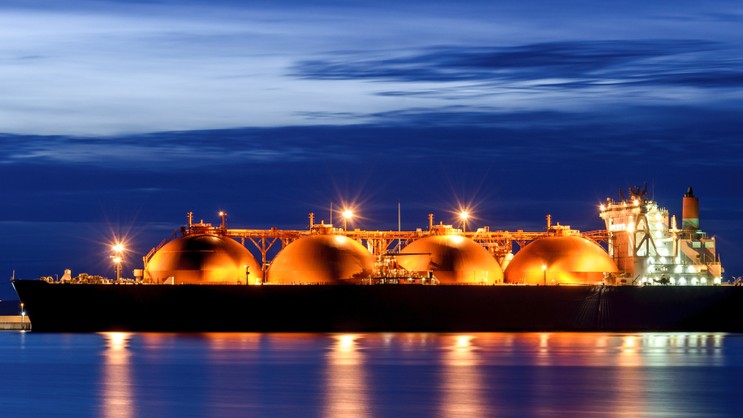
Spot LNG prices for Asian buyers climbed to nearly $26 per million British thermal units (mmBtu) on Wednesday, posting a 5% weekly gain, after strikes between the United States and Iran resumed. The last time Asian spot LNG traded at these levels was in 2022, when Europe's scramble for cargoes following the loss of Russian pipeline supply pushed global gas prices to record highs.
Spot LNG for Asia traded at $25.908 per mmBtu late on Wednesday, Bloomberg reported, citing unnamed traders. The move came after President Donald Trump said: "We took out all of the new equipment that they tried to build along the Strait of Hormuz - some defensive, some offensive ... It was a very heavy attack last night, and we're prepared to do another one any time we want."
The Strait of Hormuz is a critical chokepoint for global gas trade: the world's largest LNG exporter, Qatar, ships virtually all of its liquefied natural gas through the waterway, and Gulf producers more broadly rely on it for a large share of seaborne LNG supply. Any sustained disruption therefore removes a major volume of supply from the global market at once.
Prices in both Asia and Europe had jumped at the end of last week after Qatar's state-owned firm QatarEnergy extended the force majeure on its LNG deliveries into November, amid continued blockage of transits through the Strait of Hormuz.
In Asia, prices were driven higher by South Asian buyers, including Pakistan and Bangladesh, seeking spot supply to replace term supply from Qatar that cannot leave the Persian Gulf. According to tender documents seen by Bloomberg, utilities in South Korea, India, Taiwan, and Bangladesh are looking to buy spot cargoes for October and November delivery.
Pakistan, however, rejected an LNG offer made in response to its latest prompt tender earlier this week after the cargo was priced at more than $27 per mmBtu, which the state-owned gas trading company considered too expensive. The cargo had been offered by BP.
Recent developments in the Middle East suggest that a resumption of normal LNG flows out of the Persian Gulf is not imminent. With a seasonal pickup in gas demand ahead, LNG prices could rise further, likely pricing some buyers out of the market. Gas prices are also surging in Europe, making it harder for buyers there to stock up ahead of the winter season. Market attention in the coming weeks is likely to focus on whether QatarEnergy's force majeure is extended again, and on the pace of any diplomatic or military de-escalation around the Strait of Hormuz.
By Irina Slav for Oilprice.com.
