Saudi Aramco Deepens Asia Oil Discount Amid Hopes of Strait of Hormuz Shipping Deal
Key Takeaways
- •Saudi Aramco cut the September official selling price for Arab Light crude by 50 cents per barrel to a $2 discount against the regional benchmark for Asian buyers.
- •Brent crude has fallen approximately 20% over two weeks to around $80 per barrel as markets anticipate additional Persian Gulf barrels becoming available through a potential Hormuz shipping agreement.
- •Iran announced that an agreement with Oman on a Strait of Hormuz shipping route is in its final stages.
- •Aramco has sustained exports near 5 million barrels per day, roughly 70% of normal volumes, relying heavily on its Yanbu terminal on the Red Sea while Ras Tanura operates below capacity.
- •The company reduced prices across all grades destined for the United States, Northwest Europe, and the Mediterranean while raising certain Medium and Heavy grade prices for Asia that remain largely theoretical until shipping conditions improve.
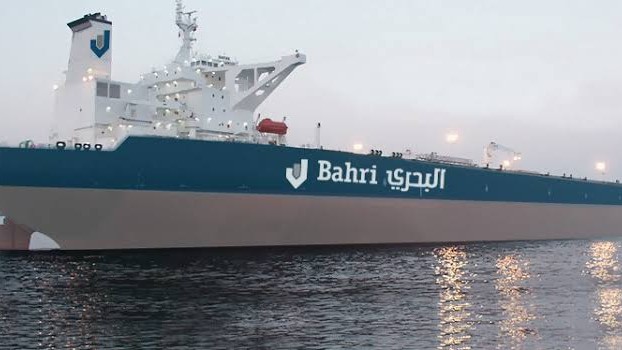
Saudi Arabia has once again lowered the price of its flagship crude for Asian buyers, as optimism surrounding a potential agreement to increase tanker traffic through the Strait of Hormuz exerts downward pressure on oil prices.
Saudi Aramco will reduce the September official selling price (OSP) for Arab Light crude by 50 cents per barrel, bringing it to a $2 discount against the regional benchmark. The OSP is a closely watched monthly pricing mechanism that influences supply contracts across Asia, the largest market for Saudi crude. The price cut coincides with Iran's announcement that an agreement with Oman on a shipping route through the Strait of Hormuz is in its final stages.
Brent crude has declined to approximately $80 per barrel, representing a drop of roughly 20% over two weeks, as market participants anticipate that additional Persian Gulf barrels may soon become available.
Despite this optimism, Saudi exports through Hormuz remain constrained. The strait is one of the world's most critical oil chokepoints, handling roughly a fifth of global petroleum consumption on a typical day. Previous efforts to increase traffic through the waterway have been disrupted by renewed hostilities and attacks on vessels.
According to Aramco chief executive Amin Nasser, the company has maintained exports near 5 million barrels per day, equivalent to approximately 70% of normal volumes. The Kingdom has relied heavily on its Yanbu terminal on the Red Sea to sustain crude shipments, while its primary Gulf terminal at Ras Tanura continues operating below typical export capacity.
However, Houthi threats near the Bab el-Mandeb Strait have rendered the Red Sea route less viable, prompting Aramco to explore alternative routing through Egypt's SUMED pipeline, with loading at Sidi Kerir on the Mediterranean coast.
The rerouting presents logistical and commercial challenges. Asian refiners, including major buyers in China, South Korea, and Japan, had already pressed Saudi Arabia for deeper discounts to compensate for the longer voyage around Africa and elevated shipping costs.
Aramco raised prices for certain Medium and Heavy grades destined for Asia, though those cargoes typically depart from the Persian Gulf, making such pricing adjustments largely theoretical until shipping conditions improve. The company simultaneously cut prices across all grades bound for the United States, Northwest Europe, and the Mediterranean.
Source: OilPrice.com

