From the Archives: The Origins of Agnico Eagle Mines
Key Takeaways
- •Agnico Eagle Mines originated in 1953 as Cobalt Consolidated Mining, formed by a merger of small silver mining companies in Cobalt, Ontario.
- •The Agnico name was created in 1957 using chemical symbols for silver (Ag), nickel (Ni), and cobalt (Co), the metals the company initially sought to develop.
- •A 1972 merger with Eagle Gold Mines marked the company's strategic pivot from silver to gold production at the Joutel project in Quebec's Abitibi region.
- •The Goldex mine, acquired in 1993, entered production in 2008 and remains operational today as part of the company's portfolio.
- •Agnico's 2022 merger with Kirkland Lake Gold further consolidated its position as one of the world's largest gold producers with operations spanning Canada, Mexico, Finland, and other jurisdictions.
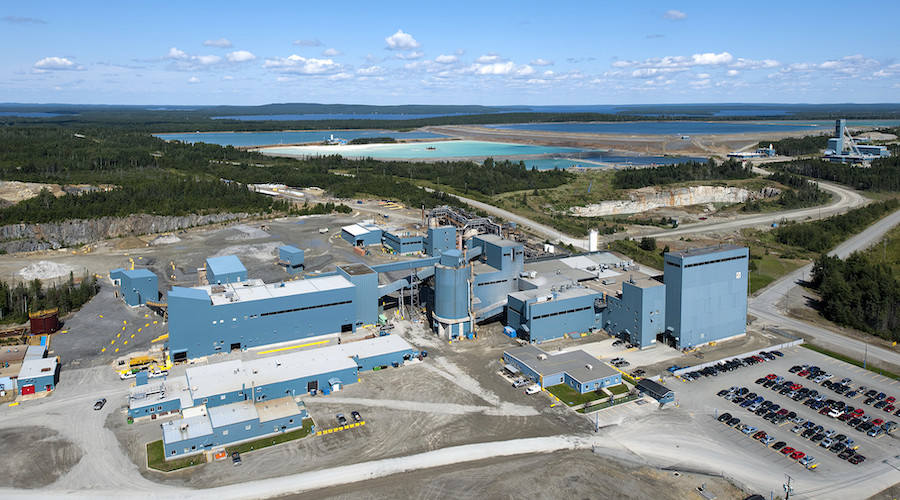
Agnico Eagle Mines stands today as Canada's largest mining company by market capitalization and one of the world's largest gold producers, but its rise to prominence was built over decades of challenges, strategic pivots, and a gradual transition from silver production to gold.
The company's roots trace back to the 1950s in Cobalt, Ontario — a historic silver rush town where a group of small mining companies worked to extract silver from increasingly thin and depleted veins. Cobalt had been one of Canada's most significant silver-producing camps, and by mid-century, the easy ore was largely gone. In 1953, these companies merged to form Cobalt Consolidated Mining, consolidating their efforts in a region that had been a major silver producer since the early 1900s.
During the summer of 1957, the company produced more than 117,000 ounces of silver. Later that year, it underwent a restructuring aimed at attracting additional financing. As part of this reorganization, the company was renamed Agnico Mines — a name derived from the chemical element symbols for silver (Ag), nickel (Ni), and cobalt (Co), reflecting the metals it sought to develop.
Momentum built after Paul Penna assumed the role of company president in 1963. By the mid-1960s, Agnico was recovering millions of dollars' worth of silver from tailings in the Cobalt region, turning historical waste material into a revenue stream — an early example of the kind of tailings reprocessing that has since gained attention across the mining sector as companies seek to extract value from legacy waste.
A defining shift came in 1972, when Agnico merged with Eagle Gold Mines and commenced mining operations at the Joutel project in Quebec. This marked the company's strategic transition toward gold production and its entry into the Abitibi region, one of the world's most prolific gold-producing geological belts spanning Quebec and Ontario.
Following further successes throughout the 1980s, Agnico acquired Goldex and its Val-d'Or deposit in 1993. The Goldex mine entered production in 2008 and continues to operate today. Over the subsequent decades, the company expanded well beyond its regional roots through additional acquisitions and project development across Canada, Mexico, Finland, and other jurisdictions, eventually merging with Kirkland Lake Gold in 2022 in a deal that further cemented its position among the world's top gold producers.
This article is part of The Northern Miner's "From The Archives" series, which connects current developments — such as rising precious metals prices incentivizing further exploration and mining — with historical reporting drawn from the publication's 111 years of archives. The Northern Miner is Canada's oldest mining publication.

