ADNOC Continues LNG Loadings as Hormuz Risks Intensify
Key Takeaways
- •Satellite imagery showed LNG tankers loading at ADNOC's Das Island terminal on September 2 with their transponders switched off to evade detection.
- •The UAE has used unusual ship-to-ship LNG transfers outside the Strait of Hormuz, with three carriers from Qatar and the UAE doing so in the past month.
- •The Strait of Hormuz normally carries roughly a fifth of globally traded oil and LNG, and its closure has severely affected ADNOC.
- •ADNOC is building a new pipeline to Fujairah that will double capacity of its existing bypass route by next year.
- •ADNOC has warned that the war's impact on energy supply could last into 2027, with LNG flows from the region appearing largely frozen.
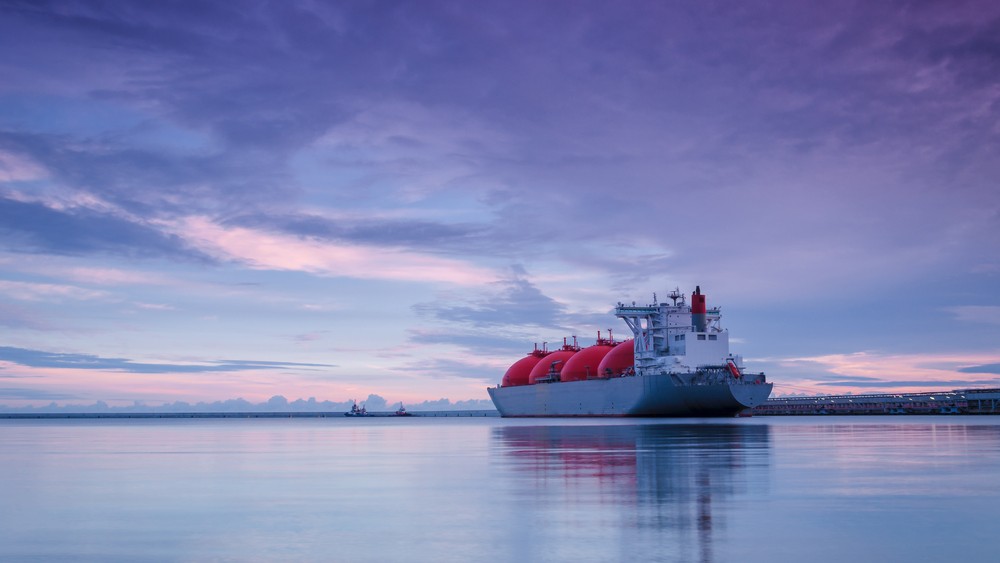
The United Arab Emirates' ADNOC is still loading liquefied natural gas (LNG) in the Persian Gulf despite the latest exchange of strikes between the United States and Iran, Bloomberg has reported, citing satellite imaging data.
The satellite data showed one tanker docked at ADNOC's Das Island export terminal on September 2, with another vessel also in the vicinity of the terminal. Bloomberg noted, however, that both ships were operating in so-called dark mode, with their transponders switched off to avoid detection.
ADNOC has had some success in getting its liquefied gas out of the Persian Gulf by having tankers turn off their transponders — a tactic also employed by oil tankers.
The Emirati energy major has been among the hardest hit by the Strait of Hormuz closure, with the resulting oil disruptions prompting it to accelerate plans for boosting the capacity of a pipeline that bypasses the chokepoint. The stakes are considerable: the Strait of Hormuz is one of the world's most important energy transit chokepoints, normally carrying roughly a fifth of globally traded oil and LNG, including exports from Qatar — the world's top LNG exporter — and the UAE, so any prolonged closure removes a major share of seaborne energy supply from the market.
To secure LNG exports, the UAE has been resorting to rare ship-to-ship transfers outside the Strait of Hormuz. Recent reports said that three LNG carriers loaded from Qatar and the United Arab Emirates in the Persian Gulf had transferred their cargoes onto other vessels outside the Strait of Hormuz in the past month — a move that is highly unusual for LNG cargoes but one that could help boost LNG shipments from the region.
On the oil front, ADNOC is building a new pipeline to Fujairah, doubling the capacity of the existing export conduit to the port city, which sits right outside the Strait of Hormuz, on the Gulf of Oman, by next year. The expansion adds to the UAE's existing Habshan–Fujairah oil pipeline, which has served as its main crude export route bypassing the strait.
The energy giant also recently warned that the impact of the war on energy supply could stretch into 2027 — a prospect that is looking increasingly likely. Indeed, despite efforts to get some LNG out of the Persian Gulf, flows appear all but frozen, Bloomberg and others have reported recently.
Source: OilPrice.com — By Irina Slav
