Dispatch-Kolumnist: Trump hat im Iran keine „Bankruptcy Option“
Wichtige Erkenntnisse
- •Catoggio sagte, Trump könne sich nicht leicht aus der Iran-Krise lösen, weil die Straße von Hormus für den globalen Ölhandel zentral bleibe.
- •Er argumentierte, der politische Zeitpunkt im Jahr 2026 mache die Krise für Trump persönlich folgenreicher, als sie es gegen Ende seiner Amtszeit 2028 wäre.
- •Catoggio verwies auf Umfragen, wonach Amerikaner höhere Benzinpreise mit Trumps Krieg verbinden, und stellte schwache Zustimmungswerte zu Iran unter Nicht-MAGA-Republikanern fest.
- •Er beschrieb die Vereinigten Staaten als vor begrenzten Optionen stehend: eine große Bodeninvasion, Iran Einfluss auf Ölversorgung behalten zu lassen oder Luftangriffe mit ungewisser Wirkung fortzusetzen.
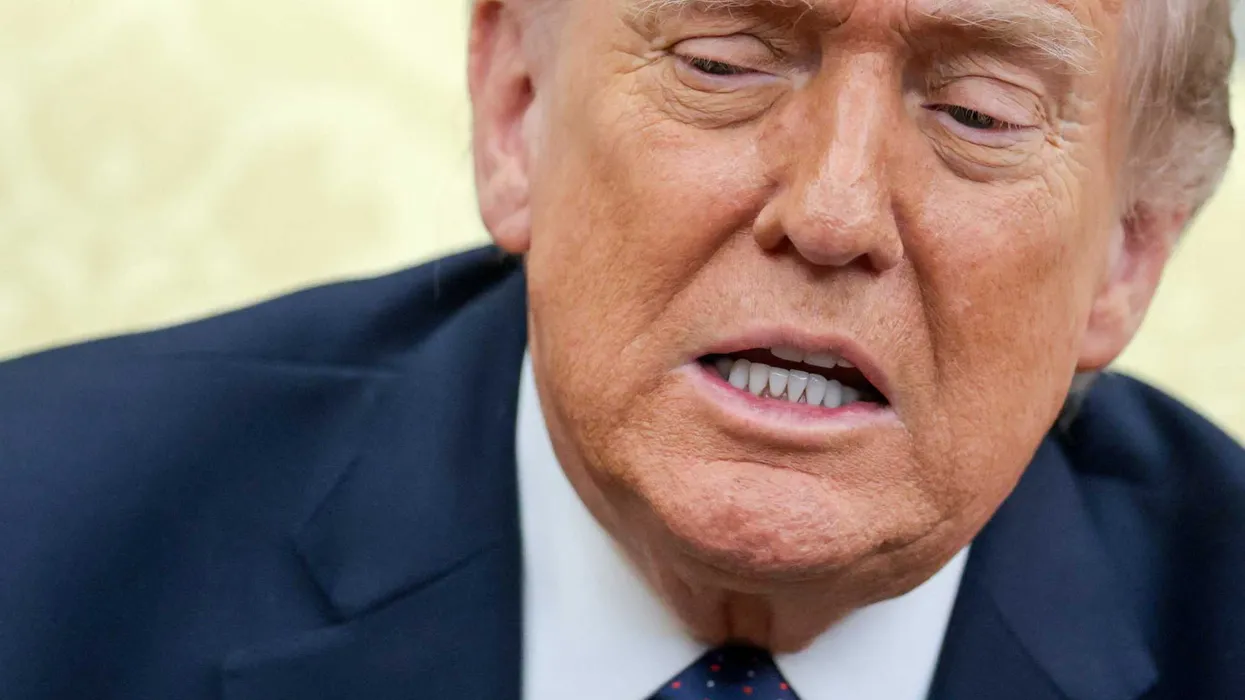
Präsident Donald Trump erwarb sich im Geschäftsleben öffentlich den Ruf, mehrere Insolvenzen zu nutzen, um kostspieligen Rückschlägen zu entkommen. Doch im Iran steht ihm dieser Ansatz nicht zur Verfügung, argumentierte Dispatch-Kolumnist Nick Catoggio.
Catoggio schrieb, das Fehlen eines solchen Auswegs dürfte für Trump frustrierend sein, während die Vereinigten Staaten weiter im Iran verstrickt bleiben und die Krise um die Straße von Hormus anhält. Die Meerenge ist einer der wichtigsten Engpässe für den Öltransport weltweit, weshalb die Kontrolle des Schiffsverkehrs dort wirtschaftliche und politische Bedeutung weit über das Schlachtfeld hinaus hat.
„... [Y]ou might have reasonably assumed back in February that there was no scenario in which the United States would end up fighting on in Iran aimlessly. Either the regime would quickly be brought to its knees or Trump, finding himself stymied, would bug out. He’d take the bankruptcy option and leave others to clean up the mess, as he threatened to do when the agony in the Strait of Hormuz first began to confound him,“ sagte Catoggio.
Catoggio argumentierte, wenn sich die Lage im Jahr 2028 statt 2026 entfalten würde, hätte Trump sich dennoch aus dem Krieg zurückgezogen, selbst bei geschlossener Meerenge.
„With his presidency winding down, the prospect of Republicans being annihilated at the polls due to the knock-on effects of soaring oil prices wouldn’t have bothered him,“ sagte Catoggio. „As long as he faced no consequences personally from having Iran in control of Hormuz, Trump would be content to leave someone else — his party and its new presidential nominee — holding the bag. That’s the whole point of declaring bankruptcy, no?“
„But it’s 2026,“ fügte er hinzu. „He will face personal consequences if the strait doesn’t open, starting with having to spend his last two years in office fending off corruption investigations by a new Democratic-controlled Congress. Whatever’s left of his economic legacy after 18 months of tariffs and inflation will also crumble: Unlike in 2028, when he could have pawned off a Hormuz-driven recession on his successor, that misery will land in his own lap. And he knows it.“
Catoggio zufolge haben diese Folgen bereits begonnen, sichtbar zu werden. Er schrieb, Umfragen zeigten, dass die Amerikaner verstünden, dass Trumps Krieg der Grund für den starken Anstieg der Benzinpreise sei. Zudem verwies er auf neue Daten von Fox News, wonach Trumps Zustimmung zu Iran bei Republikanern, die sich nicht als MAGA identifizieren, bei 37-63 liegt.
„All of this is to say that the president would happily choose the bankruptcy option, I’m sure, if only the Iranians would offer it to him,“ sagte Catoggio. „By signing last month’s humiliating peace agreement, he showed that he’s willing to accept the public embarrassment of admitting that a project he championed has failed, as bankruptcy requires. But bankruptcy is supposed to release him from the financial obligations created by that project, which in this case would mean oil commerce returning to prewar levels in the strait before November’s midterms. And the Iranians simply refuse to do that.“
Catoggio schrieb, da keine Insolvenzoption verfügbar sei, könne „all the bankruptcy king can do now is continue to plow money into the project and hope for the best“. Er fügte hinzu: „If his choice is between being ruined economically while looking weak and being ruined economically while looking somewhat tougher, why not keep bombing?“
Infolgedessen, so Catoggio, stehen die Vereinigten Staaten nun vor einer Krise, in der die Optionen offenbar eine große Bodeninvasion sind, Iran dauerhaft das zu lassen, was er als Würgegriff auf die globale Ölversorgung beschrieb, oder Bombardierungen ohne klare Wirkung fortzusetzen. Sein Argument beruht auf der Vorstellung, dass politische Verantwortlichkeit, Ölpreise und Militärstrategie in der Krise untrennbar geworden sind.
„Federal leadership has been completely bankrupted by hubris, stupidity, cowardice, and partisanship,“ sagte Catoggio und bezog sich dabei auch auf Republikaner, die Trump in diese Lage gefolgt seien. „Americans elected that bankruptcy, and this time they won’t be let off the hook.“

