Trump unterzeichnet Exekutivverordnungen zur Ausweitung von Beschränkungen bei der Staatsbürgerschaft durch Geburt und zum Verbot von „Birth Tourism“
Wichtige Erkenntnisse
- •President Trump signed executive orders on August 3 that expand categories of individuals ineligible for birthright citizenship and explicitly ban the practice of birth tourism.
- •Birthright citizenship is established by the Fourteenth Amendment, ratified in 1868, and was affirmed by the Supreme Court in the 1898 United States v. Wong Kim Ark decision.
- •Under existing law, only children of foreign diplomats and children of enemy forces in hostile occupation are excluded from automatic birthright citizenship.
- •Legal scholars have widely noted that changes to birthright citizenship beyond established exceptions would typically require a constitutional amendment or a reversal of longstanding judicial precedent.
- •The U.S. Supreme Court rejected President Trump's previous attempt to restrict birthright citizenship approximately one month before these new orders were signed.
WASHINGTON — U.S. President Donald Trump signed executive orders on Thursday targeting birthright citizenship, approximately one month after the U.S. Supreme Court rejected the Republican president's earlier bid to restrict the practice.
The new orders expand the definitions of individuals who are ineligible for birthright citizenship and explicitly ban the practice commonly referred to as "birth tourism," in which pregnant women travel to the United States to give birth so their children obtain American citizenship.
Birthright citizenship in the United States is rooted in the Fourteenth Amendment to the U.S. Constitution, ratified in 1868, which states that "all persons born or naturalized in the United States, and subject to the jurisdiction thereof, are citizens of the United States." The amendment was originally adopted to guarantee citizenship for formerly enslaved people following the Civil War and has long been interpreted to grant automatic citizenship to most individuals born on U.S. soil. The Supreme Court affirmed this principle in the 1898 case United States v. Wong Kim Ark, which held that a child born in the United States to Chinese immigrant parents was a U.S. citizen under the Fourteenth Amendment.
Under existing law, the primary groups already excluded from automatic birthright citizenship are children of foreign diplomats, who are not "subject to the jurisdiction" of the United States, and children of enemy forces in hostile occupation. Legal scholars have widely noted that changes to birthright citizenship beyond these established exceptions would typically require a constitutional amendment or a reversal of longstanding judicial precedent.
President Trump had previously attempted to limit birthright citizenship through executive action earlier in his presidency, a move that drew legal challenges from multiple states and civil rights organizations. The Supreme Court's rejection last month represented a significant setback for that effort.
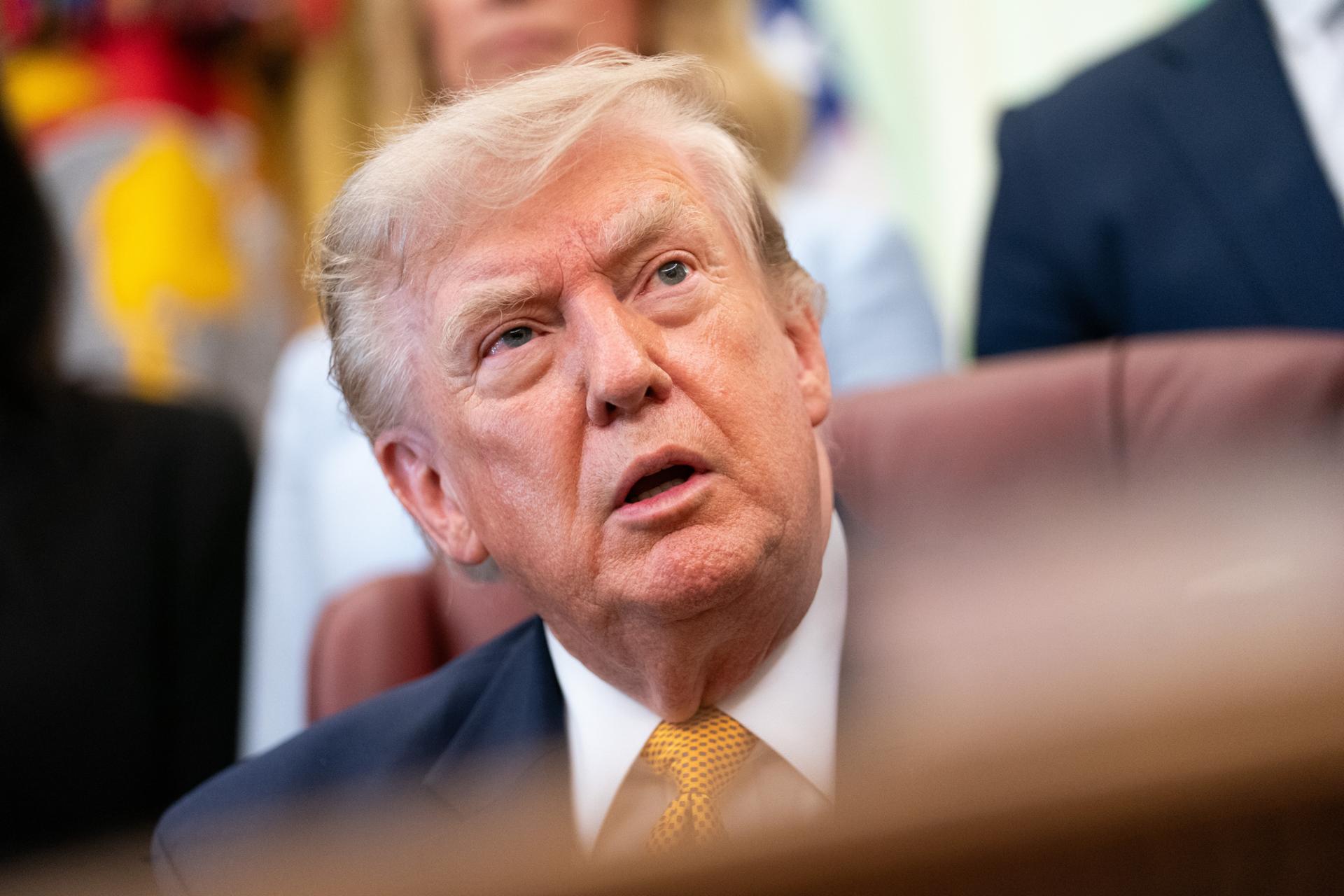
The signing ceremony took place in the Oval Office of the White House. President Trump spoke during the executive order signing event on August 3, according to a pool photo distributed by EPA-Yonhap.
The latest executive orders signal the administration's continued effort to reshape U.S. immigration and citizenship policy through unilateral executive action, despite the judicial branch's prior rulings on the matter. The orders come amid a broader set of administration immigration measures, including restrictions on asylum and refugee admissions, making birthright citizenship one front in a wider policy push that has drawn both support and legal opposition.
