南非目標在2030年前於本土發射首顆衛星
重點速覽
- •South Africa aims to achieve sovereign domestic satellite launch capability by 2030, ending its dependence on foreign providers such as Russia's Roscosmos.
- •The programme's Commercial Launch Vehicle is designed to deliver 200 kg payloads into a 500 km sun-synchronous orbit using the locally developed Saffire liquid-fuelled engine.
- •A suborbital test flight is scheduled for 2028 to validate guidance, telemetry, and recovery systems ahead of a full orbital launch attempt.
- •The project requires an estimated R3 billion ($186 million) investment and expanding the core engineering team from approximately 20 to over 120 specialists.
- •The initiative aligns with the African Union's 2016 space policy framework and could establish a complete regional space value chain serving African satellite operators.
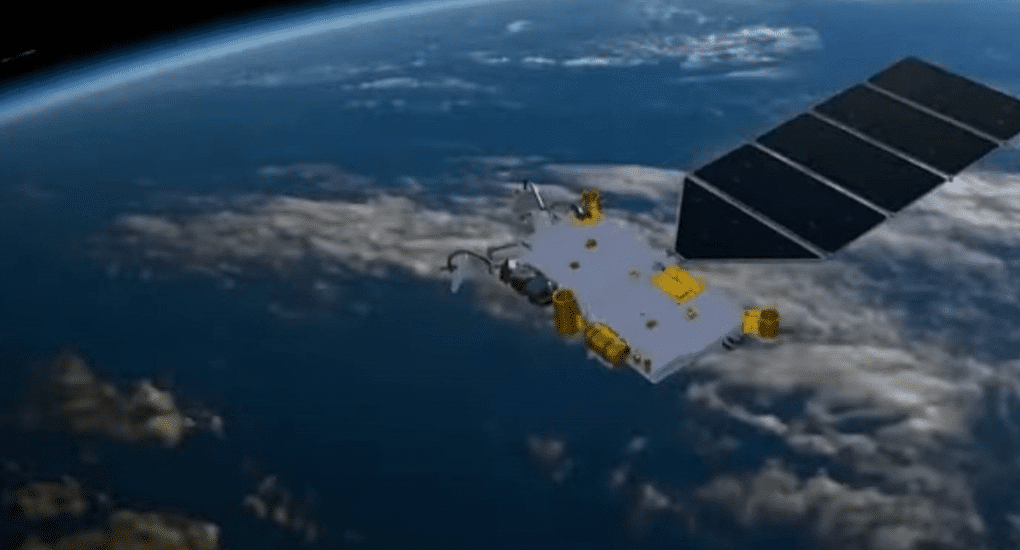
South Africa is advancing plans to establish a sovereign satellite launch capability from domestic soil by 2030, aiming to join a select group of nations possessing independent spaceflight capabilities.
The initiative seeks to deploy a locally engineered launch vehicle capable of placing small payloads into low-Earth orbit. According to the report, such infrastructure would also support telecommunications—including phone connectivity, internet access, and television broadcasting—particularly in remote areas. South Africa has previously orbited satellites—most notably SumbandilaSat in 2009—but has consistently relied on foreign launch providers such as Russia's Roscosmos to place them in orbit, underscoring the dependency an indigenous programme is intended to end.
To achieve full satellite launch capability, current efforts are focused on building out both domestic rocket technology and dedicated launch infrastructure. A suborbital test flight is planned for 2028 to validate key guidance, telemetry, and recovery systems before a full orbital launch attempt. Operations are anchored at the Denel Overberg Test Range, which now features specialised launch infrastructure, including a newly commissioned six-story launch gantry. The Overberg range, located on South Africa's southern coast, benefits from a southerly geographic position with launch trajectories over open ocean—a configuration long valued by established spacefaring nations for safely conducting polar and sun-synchronous orbital insertions.
Ongoing efforts are also underway to expand local manufacturing pipelines, scale skilled technical talent, and transition university-born research into commercial space ventures.
南非的技術進展與國家影響
The primary engineering effort centres on developing a two-stage Commercial Launch Vehicle (CLV) designed to deliver a 200 kg payload into a 500 km sun-synchronous orbit, positioning the national space sector to compete in the expanding global small-satellite market—a segment that has attracted significant international entrants, including dedicated small-launch providers such as Rocket Lab and Astra, alongside ride-share offerings from larger operators like SpaceX.
Powering the vehicle is the locally engineered Saffire liquid-fuelled rocket engine. Development work includes regenerative cooling trials, 3D-printed component integration, and electric turbopump testing, following successful initial hot-fire demonstrator runs.
The propulsion architecture builds on flight heritage from the Phoenix hybrid rocket program, which set regional altitude records while providing a proven environment for payload integration and technical skill development.
Ground operations at the Overberg site are supported by strategic commercialisation efforts and cross-institutional research partnerships.
Realising a fully operational satellite launch capability will require scaling the core engineering team from roughly 20 to more than 120 dedicated specialists, with a projected total investment of R3 billion ($186 million). The expansion is expected to generate high-skilled opportunities across advanced manufacturing, propulsion research, software development, launch management, and the building of a sustainable engineering pipeline.
The push for a sovereign launch capability is rooted in the pursuit of strategic autonomy. Currently, African nations rely entirely on foreign space agencies and commercial overseas providers to place critical assets into orbit. An indigenous launch system would grant South Africa control over its own space infrastructure while reducing exposure to foreign scheduling backlogs, geopolitical bottlenecks, and international supply chain disruptions. The effort aligns with the African Union's continent-wide space policy framework, adopted in 2016, which calls for building indigenous African space capabilities and reducing reliance on external providers.
Beyond national security and policy independence, domestic launch capacity could serve as an economic multiplier for the broader continent. A local provider would create a direct route to orbit for South Africa's expanding satellite manufacturing ecosystem, establishing a complete regional value chain. By capturing revenue from commercial operators across Africa, the initiative aims to ensure that high-value technology investments and technical contracts remain within the local economy.
The long-term societal value of routine low-Earth orbit access extends to enhanced scientific capability and data collection. Domestic launches would enable South Africa to efficiently deploy dedicated satellite constellations for environmental monitoring, precision agriculture, climate tracking, and rapid disaster response. Combined with improvements to regional telecommunications coverage, the programme envisions space technology as a practical tool for sustainable development and socio-economic progress across the region.
