批評者將川普與水果冰棒中的玻璃碎片連結起來
重點速覽
- •The Lincoln Project, a group of anti-Trump Republicans, said the FDA cuts have made families less safe.
- •Dreyer’s Grand Ice Cream recalled five Outshine Fruit Bar flavors because they may contain glass.
- •The recalled fruit bars were sold nationwide in 2.5-ounce six-count boxes in strawberry, watermelon, grape, tangerine and black cherry flavors.
- •A July outbreak of severe diarrhea was linked to contaminated iceberg lettuce and affected nine states.
- •Thousands of FDA employees left in 2025 through resignation offers and layoffs, reducing staffing for routine inspections.
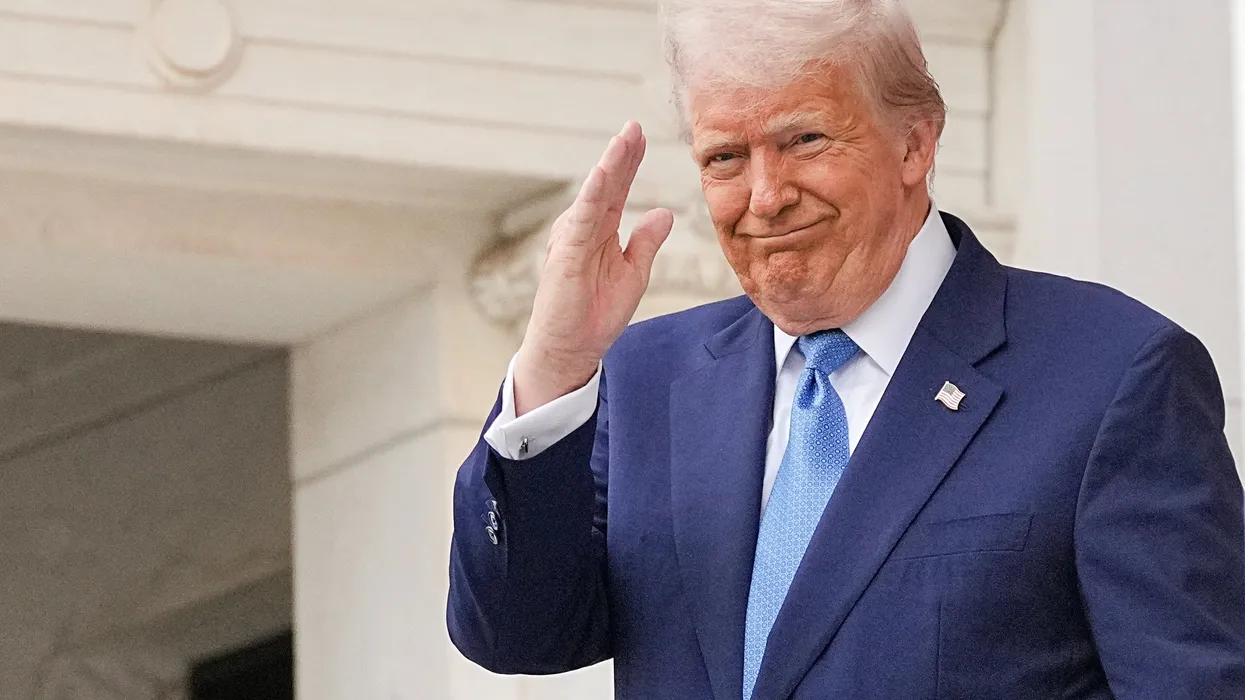
President Donald J. Trump's massive government spending cuts have been linked to a number of public health crises, from an Ebola outbreak in Africa to a measles outbreak in the United States. Particular attention has been paid to his cuts to the FDA, since the Food and Drug Administration's main purpose is to protect Americans from dangers in the products they consume. The agency's reach is broad by design: the FDA oversees roughly 80 percent of the U.S. food supply — everything except meat, poultry, and processed egg products, which fall to the Department of Agriculture — making its inspection and recall apparatus the front line for most of what Americans eat and drink.
Now those FDA cuts are being attacked by a group of Trump's fellow Republicans, who allege a link between the financial cuts and potentially literal cuts Americans could get from eating fruit bars that may contain glass.
"Trump has dismantled all oversight and accountability and your families are less safe because of it," The Lincoln Project, a group of anti-Trump Republicans, wrote on X on Tuesday.
"Five flavors of Outshine Fruit Bars have been recalled because they may contain glass, according to parent company Dreyer's Grand Ice Cream," reported CBS News' Aimee Picchi on Tuesday. "The recalled products, which were sold nationwide, are the 2.5-ounce strawberry, watermelon, grape, tangerine and black cherry flavors, packaged in six-count boxes, according to the Aug. 16 statement from the company." Because recalled boxes may already be sitting in home freezers, notices like the Aug. 16 statement depend on consumers seeing them — such announcements are distributed through company statements and posted to the FDA's public recall database.
In July, the Trump administration was similarly blamed for an outbreak of explosive diarrhea linked to contaminated lettuce from a company that did not receive adequate inspections on its produce after Trump's FDA cuts.
"The FDA believes that the biggest outbreak this season, the one affecting nine states so far, came to us aboard contaminated iceberg lettuce from Mexico," CBS News' David Pogue reported at the time. "That lettuce was shipped nationwide by Taylor Farms, a huge distributor that supplies thousands of groceries and restaurants."
Experts said that it was an unprecedented outbreak, both in terms of its scale and the fact that it would have been easily prevented with sufficient inspections. Thousands of FDA employees departed in 2025 under the administration's deferred resignation offers and layoffs, thinning the staff available for routine facility inspections.
Public health advocates argue these back-to-back contamination events are the predictable result of hollowed-out regulatory agencies. Without robust funding for routine factory walkthroughs and border import testing, the frontline defenses protecting the American dinner table have effectively collapsed. While the administration maintains that corporate responsibility should dictate consumer safety, critics point out that self-regulation has failed to keep dangerous foreign materials and toxic parasites out of supply chains.
As anger mounts among both Democrats and a fracturing Republican coalition, demands are growing for an immediate independent congressional investigation into the full operational impact of the executive budget cuts. Because the FDA's food program is funded through annual congressional appropriations, the coming spending cycle — and any hearings that precede it — is where decisions about restoring or further trimming inspection staffing would ultimately be made.

