FCC因安全風險封鎖中國人形機器人進口
重點速覽
- •FCC的禁令針對中國機器人與電力變流器的進口,並涵蓋新的人形機器人、四足機器人及其他連網移動機器。
- •目前已獲批准的型號不受這項限制影響。
- •FCC表示,這些裝置可能蒐集資料、繪製空間地圖、錄製音訊或視訊,並連接到工作場所或倉庫網路,因此存在安全風險。
- •中國外交部指控美國過度擴張國家安全概念,並稱此舉將傷害美國企業與消費者。
- •這項行動是川普政府更廣泛政策的一部分,旨在降低對中國供應鏈的依賴。
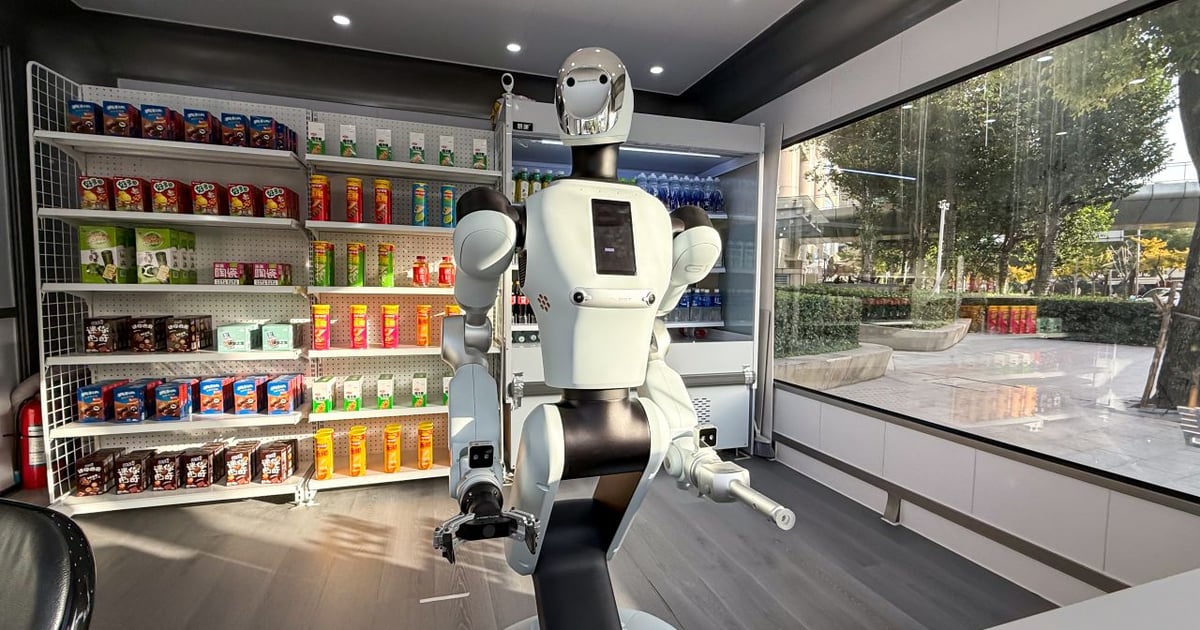
The Trump administration has imposed a ban on foreign-made humanoid robot imports, citing “unacceptable risks” to U.S. national security.
The ban, issued Tuesday by the Federal Communications Commission (FCC), specifically targets imports of Chinese robots and power inverters. Power inverters are used to connect renewable energy sources and batteries to grids and data center equipment.
The restriction applies to all new humanoids, quadrupeds and a broad range of connected mobile machines. Previously authorized models are not affected for now.
According to the FCC, the action addresses security risks linked to the sensitive data collected by advanced robotic systems, including devices that can map physical spaces, record audio or video, and connect to networks used in workplaces or warehouses.
“Advanced robotic devices collect data that could be leveraged by malign actors to surveil Americans, enhance the capabilities of foreign intelligence services, or to remotely commandeer the robots,” FCC officials wrote.
FCC Chairman Brendan Carr said in a release, “The FCC will continue to do our part to secure America’s critical supply chains. With today’s action, the FCC is acting in lock step with our national security agencies to do just that.”
The agency has added the affected products to its Covered List, a register of communications equipment and services deemed to pose an unacceptable risk to U.S. national security.
China responded quickly. Chinese foreign ministry spokesperson Mao Ning accused Washington of “overstretching” national security concerns to restrict Chinese companies.
“China has consistently opposed the U.S. broadening the concept of national security to suppress Chinese companies,” she said at a press briefing on Wednesday.
“Protectionism cannot improve U.S. competitiveness and will only harm American companies and consumers,” she added.
The move is part of the Trump administration’s effort to reduce dependence on Chinese supply chains and strengthen domestic component supply for the expanding AI and robotics sectors, where hardware sourcing and data security have become closely linked policy issues.
Humanoid robots, powered by increasingly capable AI models, are expected to be adopted across industrial and commercial applications over the coming decade. Meanwhile, the rapid growth of AI data centers is driving rising demand for power inverters.
China dominates both markets. It is currently the world’s leading producer of humanoid robots and the largest manufacturer of power inverters, led by companies such as Huawei and Sungrow Power Supply.
Huawei already faces extensive U.S. sanctions over national security concerns.

