Grayscale запускает Zcash ETF после устранения критической уязвимости конфиденциальности
Ключевые выводы
- •Продукт Zcash от Grayscale начал торговаться на NYSE Arca как ZCSH, предоставляя спотовый доступ к ZEC через биржевую структуру.
- •Фонд был создан как Grayscale Zcash Trust в октябре 2017 года, а затем был подан на преобразование в ETF в SEC.
- •Критическая уязвимость в системе shielded-транзакций Zcash была раскрыта и исправлена до листинга, а функции приватности затруднили подтверждение ее эксплуатации.
- •В июле Zcash выпустил обновление Ironwood, которое заменило уязвимый shielded pool Orchard и добавило правила учета, призванные не допустить обращения поддельных монет.
- •Grayscale заявила, что ожидает интерес со стороны инвесторов, получающих доступ к ZEC через брокерские счета, и будет следить за внедрением, безопасностью сети, поддержкой бирж и регулированием.
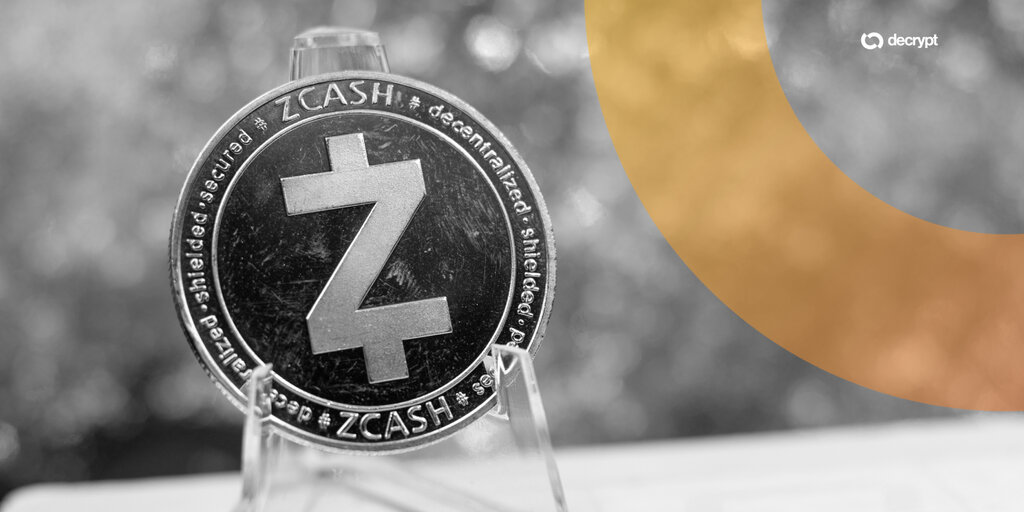
Фонд Zcash от Grayscale начал торговаться во вторник на NYSE Arca под тикером ZCSH.
Продукт был запущен как частное размещение в октябре 2017 года.
Его листинг последовал за раскрытием и исправлением критической уязвимости в системе shielded-транзакций Zcash — напоминанием о том, что активы, ориентированные на конфиденциальность, могут привлекать интерес благодаря своим функциям, но при этом подвергаются пристальному вниманию с точки зрения безопасности и операционной надежности.
Zcash Exchange Traded Fund компании Grayscale, более известный как ETF, начал торговаться во вторник на NYSE Arca, выведя на рынок девятилетний инвестиционный продукт спустя несколько месяцев после того, как разработчики раскрыли и устранили критическую уязвимость в системе shielded-транзакций приватной монеты.
Торгуясь под тикером ZCSH, первый в мире биржевой продукт, предлагающий спотовый доступ к Zcash, позволяет инвесторам отслеживать цену ZEC через брокерские счета, не покупая и не храня токен самостоятельно.
“Grayscale has a long history of identifying emerging technologies and investment themes early, and our nine-year history operating this fund is the clearest signal of demand,” Grayscale Head of Index Steve Vanourny told Decrypt.
ZCSH began as the Grayscale Zcash Trust in October 2017. Grayscale filed with the Securities and Exchange Commission in November to convert the trust into an exchange-traded fund. As an exchange-traded product, shareholders do not own ZEC directly but instead own shares intended to track the value of the fund’s ZEC holdings.
Vanourny said Zcash’s maturity, privacy features and investor demand for assets beyond Bitcoin and Ethereum made this the right time to list the nine-year-old fund.
“Investors increasingly want exposure to digital assets beyond Bitcoin and Ether through the brokerage accounts they already use, and Zcash occupies a distinctive place in that landscape,” Vanourny said. “With its nearly decade-long network history, monetary design derived from Bitcoin, including proof of work and a 21 million coin limit, in addition to optional privacy technology that Bitcoin does not have.”
According to Vanourny, Grayscale expects ZCSH to appeal primarily to self-directed and advised investors seeking ZEC exposure through a brokerage account.
“We view ZCSH as a focused, higher-risk satellite position within a broader digital-asset allocation that is complementary to, but not a replacement for, Bitcoin,” he said. “It offers a distinct thesis: Bitcoin-like scarcity and proof-of-work economics, plus optional privacy, for investors who see privacy as the next major theme for the industry to address as it scales.”
While Vanourny pointed to Zcash’s fixed supply and proof-of-work model as similarities to Bitcoin, its optional privacy complicated the response to a critical security flaw. Because shielded transactions are designed to hide sender, recipient and amount details, confirming whether the vulnerability was ever exploited was not possible in the same way it would be for a more transparent blockchain.
Zcash's Ironwood upgrade
In May, security researcher Taylor Hornby used Anthropic’s Claude Opus 4.8 to discover a four-year-old vulnerability in Zcash’s Orchard shielded pool that could have allowed an attacker to create counterfeit ZEC. Developers deployed an emergency patch on June 1, but the network’s privacy features made it impossible to determine cryptographically whether the flaw had been exploited.
In July, Zcash activated the Ironwood upgrade, replacing Orchard with a new shielded pool. The upgrade added accounting rules that prevent more ZEC from leaving the retired pool than entered it, trapping any counterfeit coins that may exist.
For users and institutions evaluating privacy assets, those fixes matter because they speak directly to the reliability of the token’s supply rules and the infrastructure needed for exchange and brokerage access. Grayscale’s listing also arrives as the market for crypto funds continues to broaden beyond the largest assets, with product design, custody and network security all part of how these offerings are assessed.
Looking ahead, Vanourny said Grayscale will judge Zcash’s progress by its adoption, utility and network security rather than the token’s price.
“On the security and infrastructure side, we will be watching the continued rollout and adoption of the Ironwood upgrade, which closed the vulnerable shielded pool from the June 2026 incident and added independently audited, formally verified supply guarantees,” he said. “Grayscale will also be monitoring exchange support and regulatory treatment of Zcash and privacy assets more broadly.”
