Konserwatywny „jastrząb obrony” Max Boot ostro krytykuje wniosek Trumpa o $1.5 trillion na wojsko jako finansowanie „boondoggles”
Najważniejsze informacje
- •Boot powiedział, że wniosek Trumpa o $1.5 trillion na obronność jest znacznie wyższy, niż uważa za rozsądne, mimo że zasadniczo popiera większe wydatki wojskowe.
- •Ocenił, że propozycja byłaby największym budżetem obronnym w historii w ujęciu skorygowanym o inflację i pojawia się przy wysokim deficycie oraz długu federalnym.
- •Izba przyjęła plan na $1.15 trillion plus $73 billion na wojnę z Iranem, podczas gdy Senat sprzeciwił się temu rozwiązaniu.
- •Jeśli do 1 października nie zostanie osiągnięte porozumienie, budżet wojskowy prawdopodobnie pozostanie na poziomie $838 billion w ramach continuing resolution.
- •Boot stwierdził, że Pete Hegseth musi rozmawiać także z demokratami w Senacie i odnieść się do zastrzeżeń Kongresu, jeśli chce ponadpartyjnego poparcia dla ustawy obronnej.
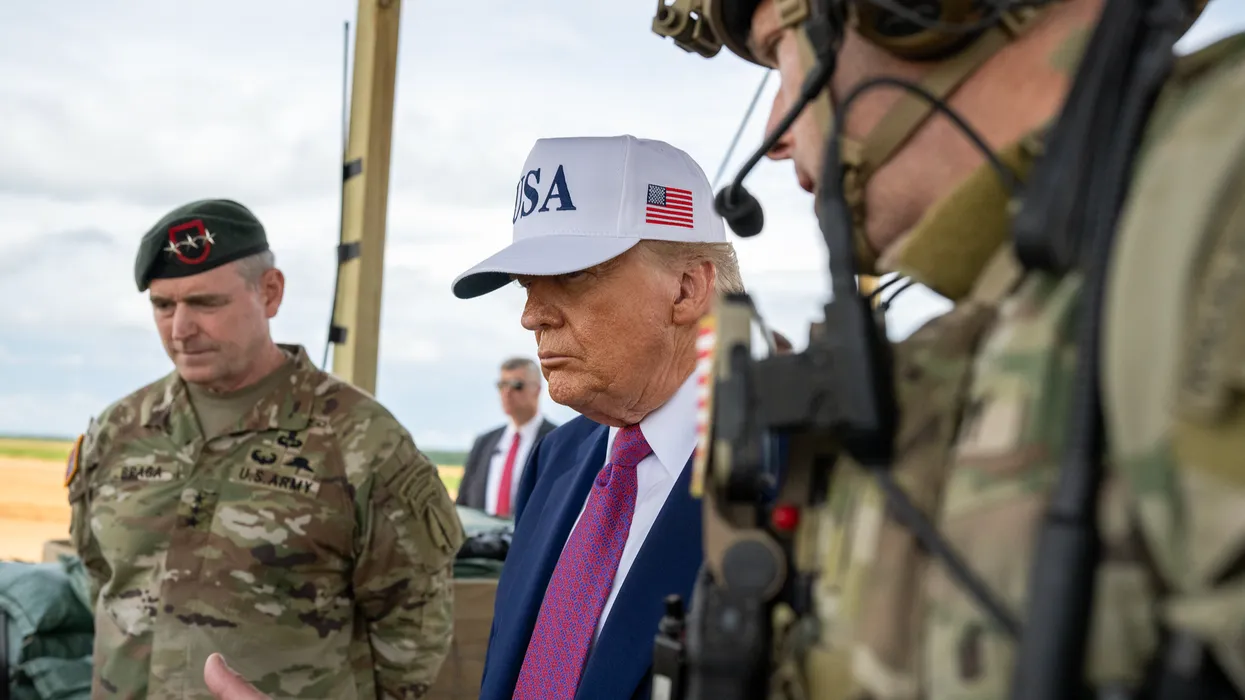
Konserwatywny komentator polityki zagranicznej Max Boot, określający siebie jako „defense hawk”, powiedział, że odczuł „sticker shock” wobec wniosku prezydenta Donalda Trumpa o $1.5 trillion na finansowanie wojska, pisząc w Washington Post, że Pentagon próbuje wydać astronomiczną sumę na „funding boondoggles and sweetheart deals.”
Boot jest rosyjsko-amerykańskim autorem, felietonistą Washington Post i starszym pracownikiem Council on Foreign Relations, który wcześniej pisał o odejściu od amerykańskiego ruchu konserwatywnego po przejęciu Partii Republikańskiej przez Trumpa, co opisał w książce z 2018 roku „The Corrosion of Conservatism: Why I Left the Right.” Wcześniej był doradcą ds. polityki zagranicznej w kampaniach prezydenckich Partii Republikańskiej, w tym Johna McCaina w 2008 roku i Mitta Romneya w 2012 roku, co sprawia, że jego zarzut wobec wniosku obronnego administracji republikańskiej jest szczególnie zauważalny. W swoim nowym felietonie dla Post przyznał, że „long been in favor of more military spending”, a nawet poparł budżet na poziomie $1 trillion, który Pentagon osiągnął w tym roku. Mimo tego dorobku teraz sprzeciwia się kwocie $1.5 trillion wnioskowanej na przyszły rok.
„In inflation-adjusted terms, that 50 percent increase would result in the largest defense budget ever — exceeding even the World War II peak,” napisał Boot. „And this comes at a time when the federal budget deficit is at $1.8 trillion and federal debt is nearly $40 trillion. On its current trajectory, public debt as a percentage of gross domestic product in 2030 will exceed the record set in 1946.”
Boot zauważył też, że Kongres nie „rushing to rubber-stamp the staggering defense budget.” Izba Reprezentantów przyjęła projekt przewidujący $1.15 trillion, plus dodatkowe $73 billion na wojnę z Iranem, ale Senat sprzeciwił się temu. W rezultacie budżet wojskowy na dzień 1 października — początek nowego federalnego roku fiskalnego — najprawdopodobniej pozostanie na poziomie $838 billion ustalonym przez continuing resolution, czyli tymczasowy mechanizm utrzymujący wydatki na poziomie z poprzedniego roku, gdy pełne ustawy budżetowe się opóźniają i zwykle blokują uruchamianie nowych programów.
Boot argumentował, że za tę sytuację w pełni odpowiada administracja Trumpa.
„Defense Secretary Pete Hegseth has no one but himself to blame,” napisał Boot. „He has been contemptuous of Congress, so it's hardly surprising that its members are not rushing to hand him a massive pot of cash. If Hegseth wants to win bipartisan support for the defense budget — something that was taken for granted in years past — he needs to start briefing Senate Democrats, not just Republicans. And he needs to do a much better job of addressing lawmakers' concerns about controversies such as the unexplained firings of general officers, the lawless attacks on alleged drug boats, the deteriorating conditions aboard an aircraft carrier deployed to the Middle East and the failed war with Iran.”
Boot zwrócił też uwagę na obciążenie, jakie konflikt z Iranem wywarł na amerykańskie zapasy uzbrojenia.
„No one denies the need to replenish missile stockpiles running low because of the Iran conflict, but the very fact that the United States has used up such a large part of its missile arsenal so quickly is a damning indictment of years of defense misappropriations that long predate President Donald Trump,” napisał. „You would think that $1 trillion would buy enough missiles to fight China or Russia, but it turns out that we don't even have enough to fight Iran. The Iran war also revealed that the military was woefully ill-prepared to fight an enemy equipped with low-cost drones; Iran's drones and missiles have done serious damage to U.S. military installations in the Middle East. It's true that the new defense budget has a lot more money for drones and drone defenses, but it also includes massive boondoggles that can't be justified on the merits.”

