RCL keert terug naar feederwortels met vier schepen bij CSSC Huangpu Wenchong
Belangrijkste punten
- •RCL heeft vier feedercontainerschippen van 1.900 TEU besteld bij CSSC Huangpu Wenchong, een werf in Guangzhou binnen de staatsgroep CSSC.
- •De nieuwbouwschepen voldoen aan IMO EEDI Phase III en krijgen walstroomaansluitingen en scrubbers om aan emissieregels te voldoen.
- •Contractprijs, leveringsdata en de verdeling tussen vaste orders en opties zijn niet bekendgemaakt, al liggen vergelijkbare nieuwbouwschepen recent rond $32m per stuk.
- •De vier feeders voegen 7.600 TEU toe aan RCL’s pijplijn van 16 nieuwbouwschepen die tot en met 2028 worden opgeleverd, waardoor de orderportefeuille uitkomt op 20 schepen.
- •RCL, opgericht in 1979 als feederdienst tussen Bangkok en Singapore, had eind juni een vloot van 45 schepen met samen 200.216 TEU.
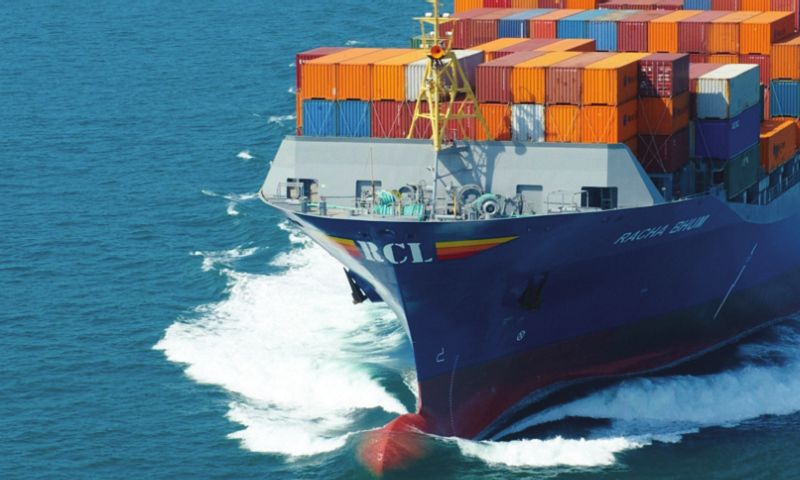
Thailand’s Regional Container Lines (RCL) has returned to its feeder roots with an order for four 1,900 teu container ships at CSSC Huangpu Wenchong, a Guangzhou-based yard within China's state-owned China State Shipbuilding Corporation (CSSC) group.
The vessels will be built to the shipyard's in-house design, measuring 172 m long and 27.5 m wide, with a capacity of around 24,000 dwt. They are specified to meet the International Maritime Organization's Energy Efficiency Design Index (EEDI) Phase III requirements, the most stringent tier of the IMO's design-efficiency framework for newbuilds, and will be equipped with shore-power connections and exhaust gas cleaning systems, known as scrubbers, which allow ships to keep burning conventional marine fuel while complying with the IMO's 0.5% global sulphur limit. Such equipment has become a standard part of the compliance toolkit as owners gear new tonnage toward the IMO's revised greenhouse gas strategy, which targets net-zero shipping emissions by or around 2050.
The price, delivery dates and the split between firm orders and options have not been revealed. Comparable newbuilds have, however, recently been quoted at around $32m apiece.
The quartet extends an established relationship with the Chinese yard, where RCL already has eight 4,300 teu ships booked. According to the carrier's accounts at the end of June, 16 newbuilds were scheduled for delivery through 2028, ranging in size from 4,300 teu up to nearly 14,000 teu, and the four feeders would add a further 7,600 teu to that pipeline, taking RCL's orderbook to 20 ships.
RCL operated a fleet of 45 ships totalling 200,216 teu at the end of June. Founded in 1979 as a common feeder service running between Bangkok and Singapore, the Thai-listed carrier has moved into increasingly larger vessel classes in recent years, most recently booking two 14,000 teu ships at HD Hyundai Heavy Industries. Feeder vessels of this size typically shuttle containers between regional ports and deep-sea hub terminals, the trade in which RCL built its business. Huangpu Wenchong is among China's most prolific builders of feeder and mid-sized container ships, and the order reflects the dominant share of global newbuilding that Chinese yards have captured in recent years under CSSC, formed by the 2019 merger of China's two state shipbuilding groups and now the world's largest shipbuilding company. In-service emissions rules have also tightened since 2023, when the IMO began rating the carbon intensity of existing ships annually under its Carbon Intensity Indicator, a regime that places older, less efficient tonnage under closer scrutiny.
Source: Splash247

