COSCO、米国の情報収集疑惑を「まったく根拠がない」と否定
重要ポイント
- •COSCOは、北米・欧州・アジアの沿岸付近で軍事通信を傍受する秘匿機器を自社船が搭載しているとのReuters報道を受けた2人の米高官の主張を虚偽として退けた。
- •COSCOは、搭載する通信・航海関連機器は正当な商業目的にのみ使用されているとし、名誉保護のため法的措置を取る権利を留保すると述べた。
- •米高官2人は、対象となる特定の船舶や機器の詳細を示さなかった。
- •2019年、米当局はCOSCOによる買収後にOOILへLong Beach Container Terminalの売却を求め、同年にはイラン産原油取引をめぐりCOSCOのタンカー2隻に制裁を科し、VLCC運賃が一時急騰した。
- •国防総省はCOSCOを中国軍と関連がある企業としてリストに掲載しており、USTRの港湾 शुल्कをめぐる措置は今秋にも再浮上する可能性がある。
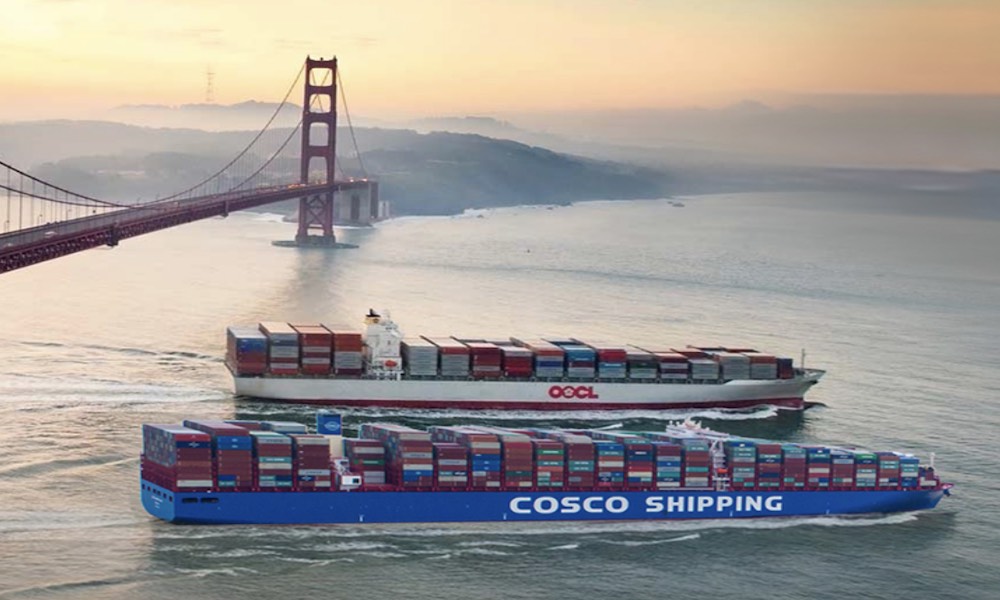
COSCO, the world's largest shipowner by fleet size, has strongly rejected allegations that its commercial vessels are being used to collect military intelligence for Beijing.
The Chinese state-controlled group issued a statement after Reuters reported that two senior US administration officials believe COSCO ships carry concealed signals-intelligence equipment capable of intercepting military communications near coastlines in North America, Europe and Asia.
COSCO called the allegations "totally unfounded" and "false".
"All communication, navigation, safety and operational equipment installed on our vessels is used solely for legitimate commercial purposes, including navigation safety, ship-to-shore communications and emergency response," the company said.
It added that none of its onboard equipment is used to intercept military communications or gather intelligence, and said it reserved the right to take legal action to protect its reputation.
The two US officials did not identify individual ships or specify what equipment was allegedly being used.
Washington's suspicion of COSCO is hardly new. As far back as the late 1990s, members of Congress raised intelligence and national security concerns over COSCO's proposed lease of a terminal at the former Long Beach Naval Station, although the Clinton administration said the project did not pose a security threat.
Two decades later, US authorities forced OOIL to sell the Long Beach Container Terminal after COSCO acquired the Hong Kong shipping group, with the $1.78bn divestment completed in 2019 under a national security agreement.
Also in 2019, Washington sanctioned two COSCO tanker units over Iranian oil trades, triggering a dramatic spike in VLCC rates before the measures were partly lifted months later — an episode that illustrated how measures against a carrier of COSCO's scale can ripple through global freight markets, since the group operates a fleet spanning container shipping, tankers and bulk carriers.
More recently, the Pentagon added COSCO to its list of companies it considers linked to China's military, while USTR targeted Chinese shipping and shipbuilding with port fee measures last year — measures that could return this autumn. The allegations come amid a broader hardening of US policy toward Chinese maritime interests, and whether Washington acts on the intelligence claims — or COSCO pursues its threatened legal action — is likely to shape the next phase of tensions between the world's two largest shipping nations.

