韓国銀行、31の銀行・証券会社を対象に暗号資産リスクに関する調査を実施
重要ポイント
- •韓国銀行は18の銀行と13の証券会社を対象に、暗号資産リスクへのエクスポージャーを評価する調査を実施しており、暗号資産関連業務、人員、予算、国内外のデジタル資産企業への投資の開示が求められている。
- •アンケートでは、大規模ハッキング後の韓国最大手暗号資産取引所の一時停止、大幅な価格下落とその後の取引の長期低迷、他の金融機関の損失からの波及といったシナリオが検証されている。
- •調査は、米当局が北朝鮮のハッカーによるものとしている先週報じられた63億ドルのBinanceハッキング以前に開始されており、回答は水曜日が期限とみられる。
- •金融機関はステーブルコインの準備を継続しており、5月にはKBフィナンシャルグループがウォン連動型ステーブルコインの実証実験を完了、9月にはKakao PayとKakaoBankがFireblocksと提携した一方、発行権をめぐる対立によりデジタル資産基本法の策定は遅れている。
- •10月、金融委員会は555の金融会社のうち130社で不備を確認したことを受け、暗号資産取引所を含む16社のセキュリティ事故を受けて、より厳格なサイバーセキュリティ要件を提案した。
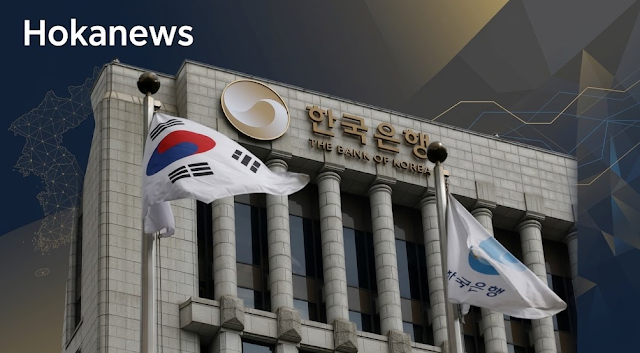
The Bank of Korea has launched a survey of 31 financial institutions — 18 banks and 13 brokerages — to assess their exposure to cryptocurrency-related risks, according to The Herald Business and Yonhap, citing financial industry sources. Participating institutions have been asked to disclose details of their cryptocurrency-related operations, staffing, budgets and investments in domestic and overseas digital asset companies.
The review comes as South Korean financial firms explore stablecoin services and digital asset infrastructure, while regulatory disagreements continue to delay progress on the country's proposed Digital Asset Basic Act.
Central Bank Examines Major Crypto Risk Scenarios
The questionnaire examines how financial institutions might be affected if South Korea's largest cryptocurrency exchange by market share temporarily suspended operations following a major hack or similar incident. Other scenarios include a sharp cryptocurrency price decline followed by a prolonged slowdown in trading activity, as well as the potential consequences of another financial institution suffering substantial losses from a cryptocurrency-related event.
Taken together, the scenarios map the main ways crypto stress could reach regulated lenders and brokers: disruption at a dominant trading platform, market-wide price and volume shocks, and spillover from losses at another institution.
Financial firms are also being asked about their reasons for entering the virtual asset market, the nature of their business activities, and the amount of capital they have invested in cryptocurrency companies operating in South Korea and abroad.
The survey began before last week's reported $6.3 billion hack of Binance. However, the incident illustrates the type of security-related disruption being examined by the central bank. US authorities have attributed the attack to North Korean hackers.
Responses to the survey are reportedly due on Wednesday.
Financial Firms Press Ahead With Stablecoin Preparations
The Bank of Korea's review comes as domestic financial institutions continue exploring stablecoin products and supporting infrastructure despite delays in the country's virtual asset regulatory framework.
KB Financial Group completed a pilot involving a won-denominated stablecoin — a digital token pegged to the South Korean won — in May. In September, Kakao Pay and KakaoBank partnered with Fireblocks to explore digital asset infrastructure.
The Bank of Korea has advocated a bank-led approach to stablecoin issuance. However, disagreements over which institutions should be allowed to issue the tokens have complicated work on the proposed Digital Asset Basic Act. A Bank of Korea official told The Korea Herald that financial institutions were preparing independently even as legislation governing virtual assets progressed more slowly than the market had expected.
Regulators Sharpen Focus on Financial Cybersecurity
South Korean regulators have also moved to strengthen cybersecurity oversight across the financial sector. In October, the Financial Services Commission proposed tougher security requirements after identifying deficiencies at 130 of 555 financial companies. The proposed measures include more frequent vulnerability assessments and greater accountability for senior executives, and they follow security incidents involving 16 companies, including cryptocurrency exchanges.
The central bank's survey and the Financial Services Commission's proposals address different aspects of financial-sector risk, but both underscore the growing regulatory focus on cybersecurity and the potential consequences of digital asset-related incidents for financial institutions. With survey responses reportedly due Wednesday, and with both the Digital Asset Basic Act and the FSC's proposed security requirements still pending, the next milestones for South Korea's institutional digital asset sector are close at hand.
Source: Cointelegraph

