AIデータセンターの電力・水需要、トルコでのCOP31気候交渉を複雑化
重要ポイント
- •The dual electricity and water demands of AI data centers have added complexity to UN climate negotiations at COP31 in Antalya, Türkiye.
- •The Antalya AI Pledge failed to yield a comprehensive agreement, as the European Union rejected the proposals under discussion as insufficiently robust.
- •UNFCCC decisions are traditionally adopted by consensus, giving objections from major blocs like the EU considerable influence over whether proposals advance.
- •Prediction markets show increasing odds that Texas may consider a moratorium on data centers, with higher confidence in later time frames.
- •Governor Greg Abbott and Texas environmental agencies are identified as key actors who may shape the state's response to data center construction.
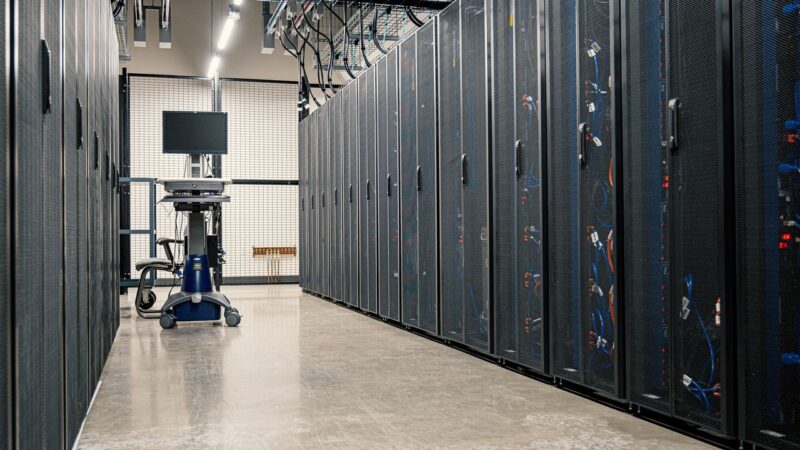
Rising electricity and water demands from artificial intelligence data centers have added a new layer of complexity to the United Nations climate negotiations underway at COP31 in Antalya, Türkiye.
The annual UN climate summit, formally the 31st session of the Conference of the Parties (COP) to the UN Framework Convention on Climate Change, has drawn participation from the Turkish presidency and senior UN climate officials. Outcomes from COP sessions have historically framed subsequent national climate commitments, giving the Antalya talks weight beyond the conference itself. Discussions at the conference have been overshadowed by concerns over the electricity and water consumption associated with AI data centers, which require large volumes of power to run computing hardware and substantial water for cooling. That dual footprint sets data centers apart from many other emissions sources under negotiation, because their resource needs extend beyond carbon output to grid capacity and water supply. These facilities are projected to account for a significant portion of global electricity demand and emissions in the coming years, placing additional pressure on negotiators as they work toward emissions targets.
Antalya AI Pledge Fails to Bridge Gaps
Efforts to address the issue at the conference included the Antalya AI Pledge, a measure intended to tackle the environmental footprint of AI infrastructure. Despite such initiatives, the negotiations have so far failed to produce a comprehensive agreement. The European Union was among those rejecting proposals under discussion as insufficiently robust, leaving the talks without a unified outcome on data center-related emissions. UNFCCC decisions have traditionally been adopted by consensus among participating parties, which gives objections from major blocs such as the EU considerable bearing on whether proposals advance.
Markets Track Possible Texas Data Center Moratorium
Market pricing suggests that Texas might consider a moratorium on data centers as a response to these environmental concerns (market page). The current sub-market odds indicate varying levels of confidence in such a moratorium, with a notable increase in odds for later time frames. Markets of this kind aggregate participant expectations about defined political outcomes, with odds adjusting as new developments emerge. Texas has drawn extensive data center construction in recent years, which is why state-level policy signals there attract attention well beyond the state's borders.
What to Watch
Developments in Texas political circles, particularly any legislative or executive actions regarding data center construction, could influence market pricing. Key actors such as Governor Greg Abbott and Texas environmental agencies may play critical roles in shaping the state's response.
Further international climate negotiations, and any resulting agreements emerging from COP31, may also affect the likelihood of a moratorium. Observers will be attentive to any new proposals or actions that could shift the current odds.

