Un editorialista di Dispatch afferma che Trump non ha alcuna “opzione bancarotta” in Iran
Punti chiave
- •Catoggio ha affermato che Trump non può disimpegnarsi facilmente dalla crisi iraniana perché lo Stretto di Hormuz resta centrale per il commercio petrolifero globale.
- •Ha sostenuto che la tempistica politica del 2026 rende la crisi più rilevante sul piano personale per Trump di quanto lo sarebbe verso la fine del suo mandato nel 2028.
- •Catoggio ha citato sondaggi che mostrano come gli americani colleghino l’aumento dei prezzi della benzina alla guerra di Trump e ha rilevato un debole consenso sull’Iran tra i repubblicani non MAGA.
- •Ha descritto gli Stati Uniti come di fronte a opzioni limitate: una grande invasione di terra, consentire all’Iran di mantenere una leva sulle forniture petrolifere, oppure proseguire gli attacchi aerei con effetti incerti.
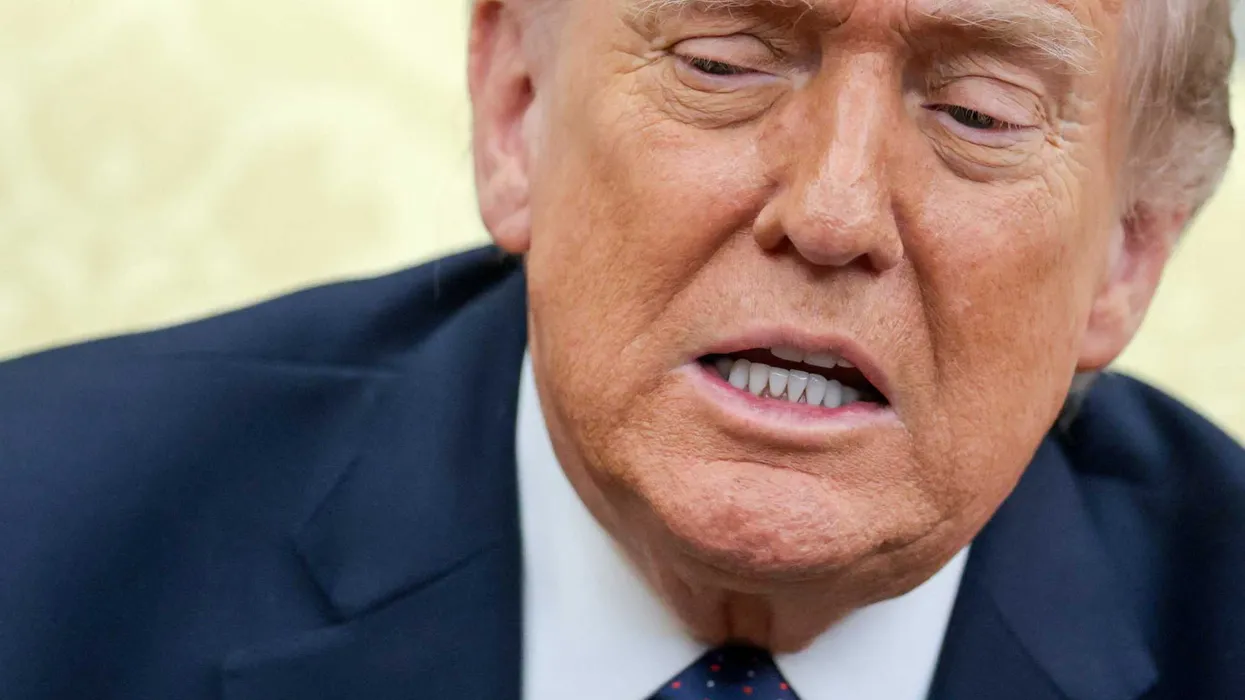
Il presidente Donald Trump si è costruito negli affari una reputazione pubblica per aver usato più procedure di bancarotta per uscire da costosi rovesci, ma questo approccio non è disponibile per lui in Iran, ha sostenuto l’editorialista di Dispatch Nick Catoggio.
Catoggio ha scritto che l’assenza di una simile via d’uscita è probabilmente fonte di frustrazione per Trump, mentre gli Stati Uniti restano invischiati in Iran e la crisi dello Stretto di Hormuz continua. Lo stretto è uno dei più importanti colli di bottiglia al mondo per il transito del petrolio, motivo per cui il controllo della navigazione in quell’area comporta implicazioni economiche e politiche che vanno oltre il campo di battaglia.
“... [Y]ou might have reasonably assumed back in February that there was no scenario in which the United States would end up fighting on in Iran aimlessly. Either the regime would quickly be brought to its knees or Trump, finding himself stymied, would bug out. He’d take the bankruptcy option and leave others to clean up the mess, as he threatened to do when the agony in the Strait of Hormuz first began to confound him,” ha detto Catoggio.
Catoggio ha sostenuto che, se la situazione si stesse sviluppando nel 2028 invece che nel 2026, Trump si sarebbe comunque sfilato dalla guerra, anche con lo stretto chiuso.
“With his presidency winding down, the prospect of Republicans being annihilated at the polls due to the knock-on effects of soaring oil prices wouldn’t have bothered him,” ha detto Catoggio. “As long as he faced no consequences personally from having Iran in control of Hormuz, Trump would be content to leave someone else — his party and its new presidential nominee — holding the bag. That’s the whole point of declaring bankruptcy, no?”
“But it’s 2026,” ha aggiunto. “He will face personal consequences if the strait doesn’t open, starting with having to spend his last two years in office fending off corruption investigations by a new Democratic-controlled Congress. Whatever’s left of his economic legacy after 18 months of tariffs and inflation will also crumble: Unlike in 2028, when he could have pawned off a Hormuz-driven recession on his successor, that misery will land in his own lap. And he knows it.”
Secondo Catoggio, quelle conseguenze hanno già iniziato a manifestarsi. Ha scritto che i sondaggi mostrano come gli americani comprendano che la guerra di Trump è il motivo per cui i prezzi della benzina sono aumentati bruscamente. Ha inoltre citato nuovi dati di Fox News secondo cui il consenso di Trump sull’Iran è a 37-63 tra i repubblicani che non si identificano come MAGA.
“All of this is to say that the president would happily choose the bankruptcy option, I’m sure, if only the Iranians would offer it to him,” ha detto Catoggio. “By signing last month’s humiliating peace agreement, he showed that he’s willing to accept the public embarrassment of admitting that a project he championed has failed, as bankruptcy requires. But bankruptcy is supposed to release him from the financial obligations created by that project, which in this case would mean oil commerce returning to prewar levels in the strait before November’s midterms. And the Iranians simply refuse to do that.”
Catoggio ha scritto che, senza alcuna opzione di bancarotta disponibile, “all the bankruptcy king can do now is continue to plow money into the project and hope for the best.” Ha aggiunto: “If his choice is between being ruined economically while looking weak and being ruined economically while looking somewhat tougher, why not keep bombing?”
Di conseguenza, Catoggio ha affermato che gli Stati Uniti stanno ora affrontando una crisi in cui le opzioni sembrano essere una grande invasione di terra, consentire all’Iran di mantenere quella che ha descritto come una stretta indefinita sull’approvvigionamento petrolifero globale, oppure continuare i bombardamenti senza effetti chiari. La sua argomentazione si basa sull’idea che responsabilità politica, prezzi del petrolio e strategia militare siano diventati inseparabili nella crisi.
“Federal leadership has been completely bankrupted by hubris, stupidity, cowardice, and partisanship,” ha detto Catoggio, riferendosi anche ai repubblicani che hanno seguito Trump nella situazione. “Americans elected that bankruptcy, and this time they won’t be let off the hook.”

