Sinotrans prepara una seconda quartina di feeder per Qingshan
Punti chiave
- •Sinotrans Container Lines ha avviato un invito all’approvvigionamento diretto per altre quattro navi feeder da 1.800 teu presso il cantiere Qingshan.
- •Il nuovo piano segue un contratto di maggio per le prime quattro navi, con un tetto di RMB940m, pari a circa $139m.
- •Un secondo contratto analogo porterebbe il programma feeder totale a otto unità e l’investimento indicativo a circa RMB1.88bn.
- •L’invito non rappresenta ancora un contratto di costruzione navale firmato e lascia ancora da definire i termini commerciali.
- •Qingshan ha ripreso il newbuilding quest’anno dopo aver lasciato la costruzione navale nel 2018 e da allora ha ottenuto ordini feeder da diversi armatori.
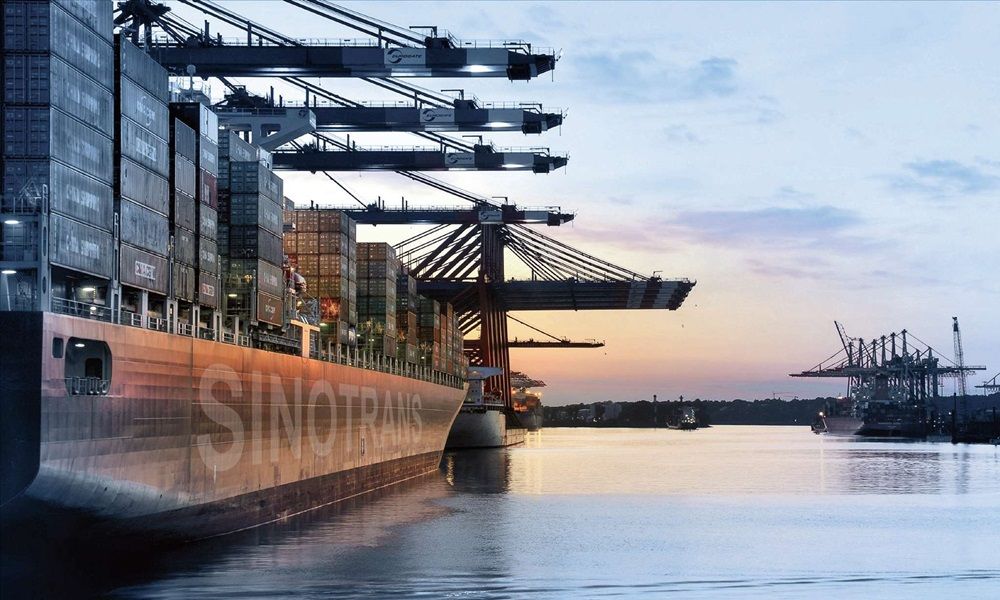
Sinotrans Container Lines is moving to double its feeder programme at China Merchants’ revived Qingshan Shipyard with a second batch of four 1,800 teu vessels.
The carrier’s Hong Kong subsidiary issued a direct procurement invitation to Qingshan this month covering construction of the quartet.
The latest move follows a contract signed in May for an initial four ships of the same size. Investment in the first batch was capped at RMB940m ($139m), or close to $35m per vessel.
A second contract on similar terms would lift the overall programme to eight ships, with an indicative investment of around RMB1.88bn.
The invitation marks the start of the direct procurement process and does not yet constitute a final signed shipbuilding contract. For shipowners and shipyards, the sequence matters because it shows how feeder capacity can be added in stages rather than through a single large order, while also leaving room for the commercial terms to be finalised before any binding agreement is reached.
Qingshan formally returned to newbuilding this year after exiting ship construction in 2018. Since then, the yard has secured feeder projects from Zhonggu Logistics, Sinotrans and Greek owner Goldenport Shipmanagement, adding to the evidence that its re-entry is being built around smaller vessel programmes rather than a broad return across all ship types.

