Il ministero delle PMI spinge l’espansione di beauty e cosmetici in Brasile
Punti chiave
- •Roh Yong-seok ha visitato ABIHPEC e Mercado Libre a Sao Paulo per discutere dell’espansione dei marchi K-beauty in Brasile.
- •Il Brasile è uno dei maggiori mercati mondiali della bellezza, ma gli investimenti coreani nel Paese sono rimasti relativamente limitati a causa della distanza dalla Corea.
- •ABIHPEC e la parte coreana hanno discusso di networking tra aziende, ricerca e produzione congiunte e cooperazione sulla regolamentazione dell’export.
- •Mercado Libre e le autorità coreane hanno concordato di fornire supporto finanziario e tecnico ai piccoli marchi coreani che vendono sulla piattaforma.
- •Il ministero ha detto che il crescente interesse per il K-beauty, insieme a K-pop e K-dramas, sta sostenendo gli sforzi di espansione all’estero.
The Ministry of SMEs and Startups said Tuesday that its acting minister met with Brazilian cosmetics and e-commerce industry officials in Sao Paulo on Monday local time to explore ways to help Korean small and midsize beauty brands expand into the Brazilian market.
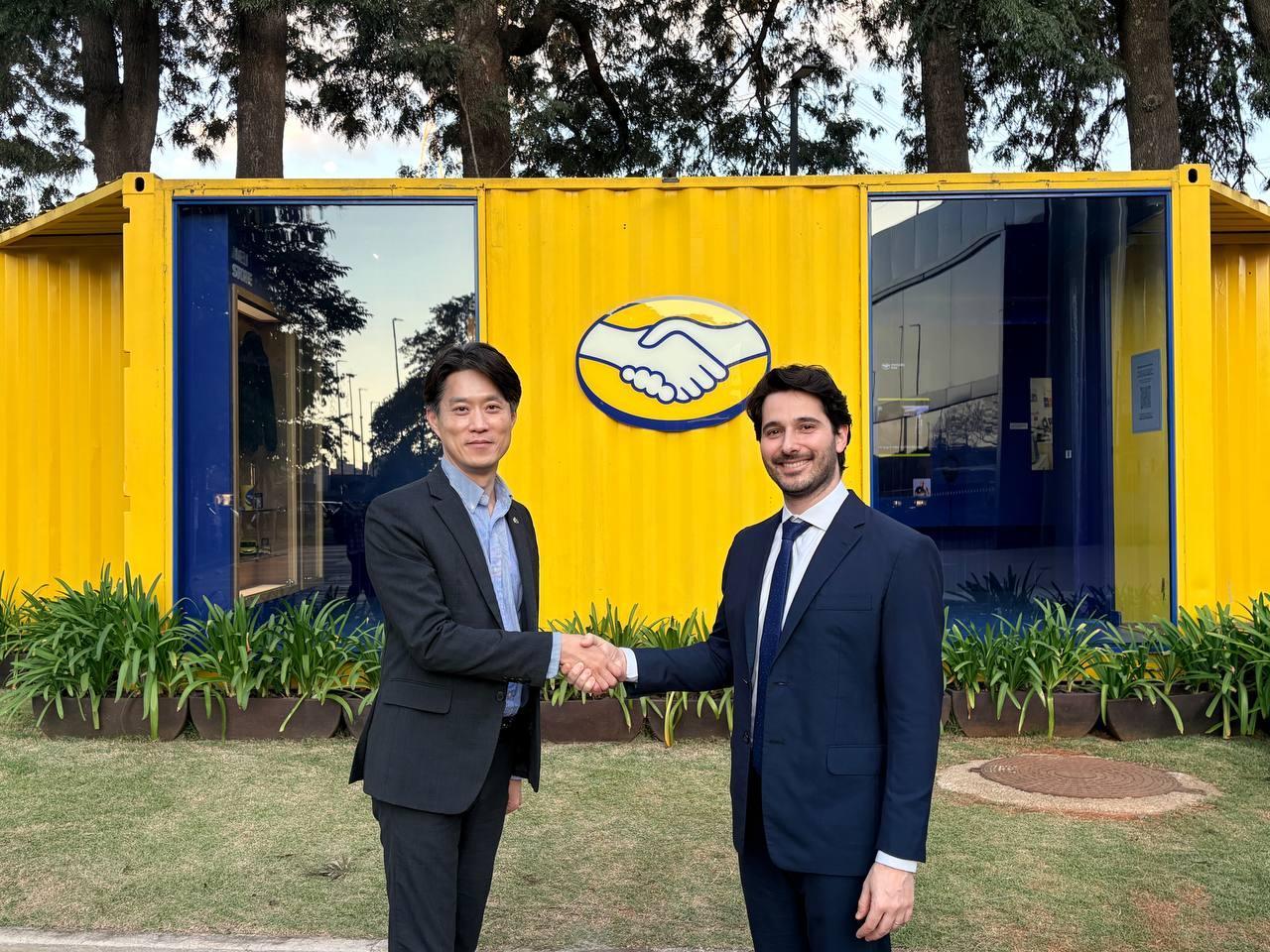
First Vice Minister Roh Yong-seok, who is serving as acting minister, visited the Brazilian Association of the Cosmetic, Toiletry and Fragrance Industry, known as ABIHPEC, and the e-commerce platform Mercado Libre.
Brazil has one of the world's largest beauty markets, but the ministry said it has attracted relatively little investment from Korean firms because of the distance from Korea.
According to the ministry, demand for K-beauty products has risen recently alongside the broader popularity of K-pop and K-dramas. The ministry also said the Amazon region's natural plant-based ingredients, which are widely used in cosmetics, have drawn interest from the industry.
The outreach reflects a broader effort by the ministry to help smaller Korean brands find overseas growth channels beyond established markets, where logistics, distribution and local compliance can be harder to navigate without partners on the ground. In Brazil, that means building links not only with industry groups but also with sales platforms that can reduce some of the entry barriers for brands with limited overseas infrastructure.
At ABIHPEC, whose member companies account for more than 90 percent of Brazil's cosmetics sales, the two sides discussed building networks between companies in both countries, joint research and production that would combine Brazilian natural resources with Korean technology, and cooperation on export regulations.
At Mercado Libre, the largest e-commerce platform in Brazil and Latin America, the Korean government, related agencies and the company agreed to jointly provide financial and technical support to help small Korean brands list, promote and market their products on the platform.
The two sides also discussed having Mercado Libre visit Korea to hold consultations with promising K-beauty brands.
Roh said strengthening the beauty industry and diversifying export markets would help cosmetics, a major export item for small and midsize firms, become a global leader, and he described cooperation with Brazil as part of that effort.
This article was published with the assistance of generative AI and edited by The Korea Times.

