La musicista folk canadese-coreana Janice Jo Lee porta in Corea gli 'Ancestor Songs' dopo la battaglia sulla cittadinanza
Punti chiave
- •Janice Jo Lee ha dovuto rinunciare alla sua rivendicazione della cittadinanza coreana ai sensi della Nationality Act della Corea del Sud per ottenere un visto di lavoro, in un processo così lungo da costringerla a cancellare un tour precedente.
- •L’allora direttrice artistica del Jeonju International Sori Festival, Kim Hee-sun, ha invitato Lee e la sua band in Corea dopo averli visti esibirsi a Ottawa, dicendo che la sua musica era più coreana di quanto Lee stessa avesse compreso.
- •L’identità artistica di Lee è stata profondamente plasmata dallo studio del tamburo janggu nel 2018 e dalla scoperta del pansori, entrambi descritti come trasformativi per il suo modo di comporre e cantare.
- •Le QTs, il cui nome significa queer/trans cuties, sono un ensemble multiculturale; la loro esibizione a Seul all’Uplift destinerà parte del ricavato alla Beyond The Rainbow Foundation.
- •Il tour in Corea inizia venerdì all’HQ Bar di Busan, prosegue con due serate consecutive a Seul e culmina al Jeonju International Sori Festival il 13 agosto.
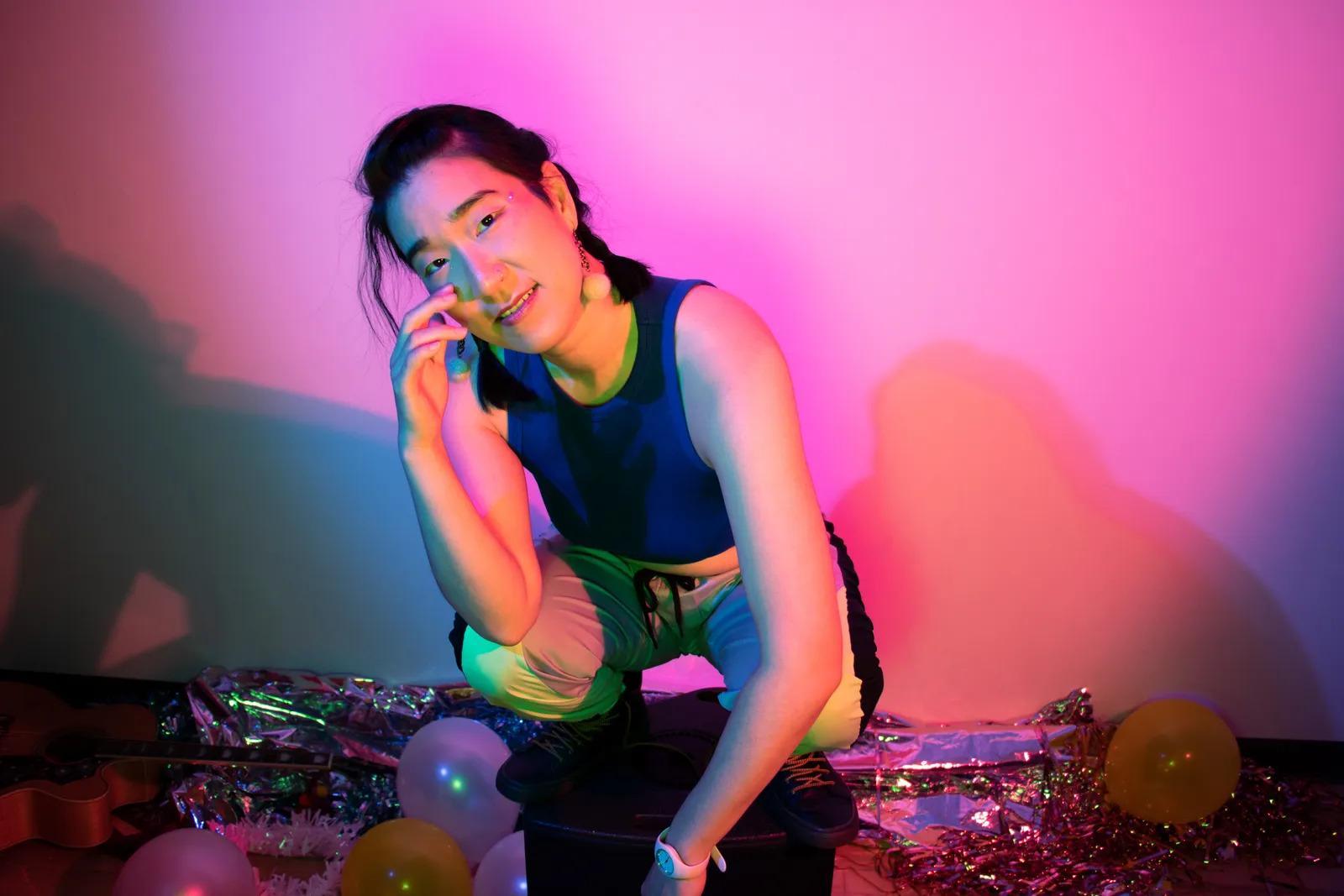
Per esibirsi nella terra dei suoi antenati, la musicista folk canadese-coreana Janice Jo Lee ha dovuto prima rinunciare a una parte della propria identità: la sua rivendicazione della cittadinanza coreana.
"Because at the time of my birth in Canada, my parents both held Korean citizenship, I held a claim to Korean citizenship," Lee said. "For the year of my birth, Korea does not allow me to hold dual citizenship. So Korea required me to renounce my claim to Korean citizenship, and apply for a work visa solely as a Canadian. It was a bureaucratic nightmare."
La Nationality Act della Corea del Sud vieta in generale la doppia cittadinanza agli adulti, con eccezioni ristrette che non coprono la maggior parte dei discendenti di nazionalità coreana nati all’estero — una politica che ha creato ostacoli per artisti e professionisti coreani della diaspora che cercano di lavorare nel Paese.
La questione della cittadinanza ha costretto Lee a cancellare un precedente tour con la sua band folk-fusion con base a Toronto, Janice Jo Lee and the QTs. "We had to cancel our tour last year because of how long the process ended up taking," she said. "My bandmates who are Canadian without Korean heritage, it was easier for them to get a work visa than me."
L’ironia è accentuata da come è nato il tour in Corea. Kim Hee-sun, allora direttrice artistica del Jeonju International Sori Festival — uno dei più importanti eventi di world music in Corea, fondato nel 2001 e riconosciuto dall’International Music Council dell’UNESCO — ha visto le QTs esibirsi a Ottawa e le ha invitate in Corea.
"She came backstage and told me the way I sing about my grandmother, the deep melancholy in the melodies — my music was more Korean than I understood," Lee recalled. "That was a huge validating moment for me."
Radici nella diaspora
La famiglia paterna di Lee proviene dall’isola di Ulleung, nella provincia del Nord Gyeongsang, mentre il lato materno viene da Mokpo, nella provincia del Sud Jeolla. Crescendo a Toronto, parlava coreano in casa, frequentava la chiesa coreana e praticava tradizioni come la "jesa" (riti ancestrali) e le celebrazioni del capodanno lunare. Fin da giovane ha studiato musica tradizionale coreana, o gugak, e danza.
"For children of diaspora in Canada, a 'gyopo' like me, when we grow up here we are made to feel like we are not Canadian enough because we are not white. There is a sense of being an outsider, and we are often reaching for the homeland," she said.
"It's ironic because it was the racism I experienced my whole life that pushed me back to explore my roots. As a folk musician in Canada, I've showcased at many major Canada-U.S. folk events, but festival directors don't know what to do with me, a Korean woman with a guitar."
Dopo aver vissuto quello che ha descritto come "my life's greatest spiritual destruction/burnout" circa un decennio fa, Lee ha trascorso gli anni successivi a ricostruire il suo rapporto con la musica.
"My personal and artistic journey for the past 10 years has been about reconnecting with my roots," she said. "My whole body of work as an artist explores my Korean heritage, my lineage and what I call my 'Ancestor Songs' — the music and voice I inherited through my family."
Alla scoperta di janggu e pansori
La musica di Lee è teatrale e radicata nelle tradizioni, e fonde il racconto folk con il blues e con elementi della musica tradizionale coreana. Nel 2018 disse a suo padre che voleva imparare a suonare il janggu, un tradizionale tamburo coreano a clessidra. Poco dopo, lui incontrò un insegnante di janggu in un negozio di alimentari coreano, chiamò la figlia e le passò il telefono. In breve tempo iniziarono le lezioni private.
"Learning janggu changed my musical life. Gugak rhythms felt so different in my body. Compared to Western classical music, Korean rhythms are syncopated, less square, lilting — you have to feel them in your body rather than count them in your head," she said. "I tried composing songs to janggu rhythms and it was impossible at first to sing to these rhythms. I had never done it before. So that process became a literal decolonizing of my body of Western classical, to teach my body how to feel Korean rhythms. And when I figured it out, it felt aligned. You can hear it in my song 'Years of Secret Melody.'"
Il pansori, la tradizione coreana del racconto musicale — che l’UNESCO ha designato nel 2003 come Capolavoro del patrimonio orale e immateriale dell’umanità — è stata un’altra influenza profonda.
"Hearing pansori for the first time was earth-shaking," she said. "I was like 'What is this magic?'"
L’esperienza la spinse a comporre "Swim Forever," con il testo tradotto in coreano da sua madre, Young Hee Kim, poetessa. "Without having pansori training, that song is me reaching for pansori," Lee said.
Politica, economia e la band
Lee parla apertamente delle dimensioni politiche della sua scrittura. "I try to apply principles of human rights and self-determination to how I run my band, and in my lyrics," she said. "I write a lot about the Earth, and how capitalism and industry destroy the Earth and our souls. My new song 'Fire Fire' is about the grief and destruction of fire around the world. I find myself wailing for the Earth, the forests, the oceans."
Come leader del gruppo, Lee si considera una piccola imprenditrice ed è franca sulle pressioni economiche che colpiscono i musicisti che lavorano.
"Big Tech has taken away our main product — the recording — and social media has made us give away our other product — performances," she said. "Because we have to put all our music online for free now, the last remaining product is the concert. It's tough to break even but I am committed to fair working conditions for my bandmates, my workers."
I membri delle QTs sono Camilo Consuelo Esperanza a voce e tastiere, Nim Agalawatte al basso e Vania Lee alla batteria. Insieme formano un ensemble multiculturale con legami con Cina, Sri Lanka, Messico e Catalogna.
Il nome della band richiama "cuties", ma ha un significato più profondo. "QTs stands for queer/trans cuties," Lee explained. "Asians are often called cute, and I used to resent that, because I felt it was infantilizing. But now I have embraced it more, because I think cute means delightful and full of light, which I am. And I also have no problem fighting with anyone who disrespects me. You can be cute and ferocious."
La speranza di Lee che la band non subisca molestie riflette il quadro più ampio per gli artisti LGBTQ+ in Corea del Sud, dove i musicisti queer hanno conquistato spazio nella scena indipendente di Seul, anche se le tutele legali contro la discriminazione restano limitate.
Programma del tour in Corea
Janice Jo Lee and the QTs apriranno il tour in Corea venerdì all’HQ Bar di Busan, con i Nereidas come gruppo di apertura. La band poi si sposterà a Seul per due serate consecutive. Sabato si esibiranno all’Uplift insieme a Hurricane Kimchi, Kontrajelly e Rhino Rainbow, con una parte del ricavato destinata alla Beyond The Rainbow Foundation. Domenica saliranno sul palco del Seendosi, nel centro di Seul, con Haepa e Howaho.
Il 13 ago. Lee e la band si esibiranno al Jeonju International Sori Festival a Jeonju, nella provincia del Nord Jeolla.
Sarà solo la terza visita di Lee in Corea.
"I hope that people connect with my music," Lee said of her expectations. "I want my aunt to come to my concert. Most of my family hasn't heard me play music live. I'm excited to take my best friend and bandmate Camilo to Ulleung Island and swim in the ocean. I hope I sell some CDs. I hope we don't get harassed for being queer trans. I hope people are willing to take a chance and come to our concerts. I hope my Korean speaking is OK, or at least comes off cute that I'm trying."
Maggiori informazioni sono disponibili su janicejolee.ca.

