Un membre de la famille révèle « l’état non diagnostiqué » de Trump
Points clés
- •Mary L. Trump, psychologue clinicienne agréée et nièce du président, a déclaré que Donald Trump souffrirait de troubles psychiatriques de longue date, non traités et non diagnostiqués, qu’elle estime en aggravation.
- •Elle a cité l’âge de Trump, 80 ans, ainsi qu’un antécédent familial de maladie d’Alzheimer comme facteurs contribuant à ce qu’elle décrit comme un déclin cognitif, psychologique et physique accéléré.
- •Mary Trump a affirmé que la personnalité de son oncle est restée la même pendant des décennies, et ne représente pas une transformation récente.
- •Elle a identifié l’humiliation comme la peur la plus profonde du président et a soutenu que sa volonté de l’éviter motive une grande partie de ses actes et de ses décisions.
- •Selon Mary Trump, les personnes dans l’orbite du président exploitent son narcissisme et ses insécurités en lui offrant admiration et argent en échange d’approbations politiques.
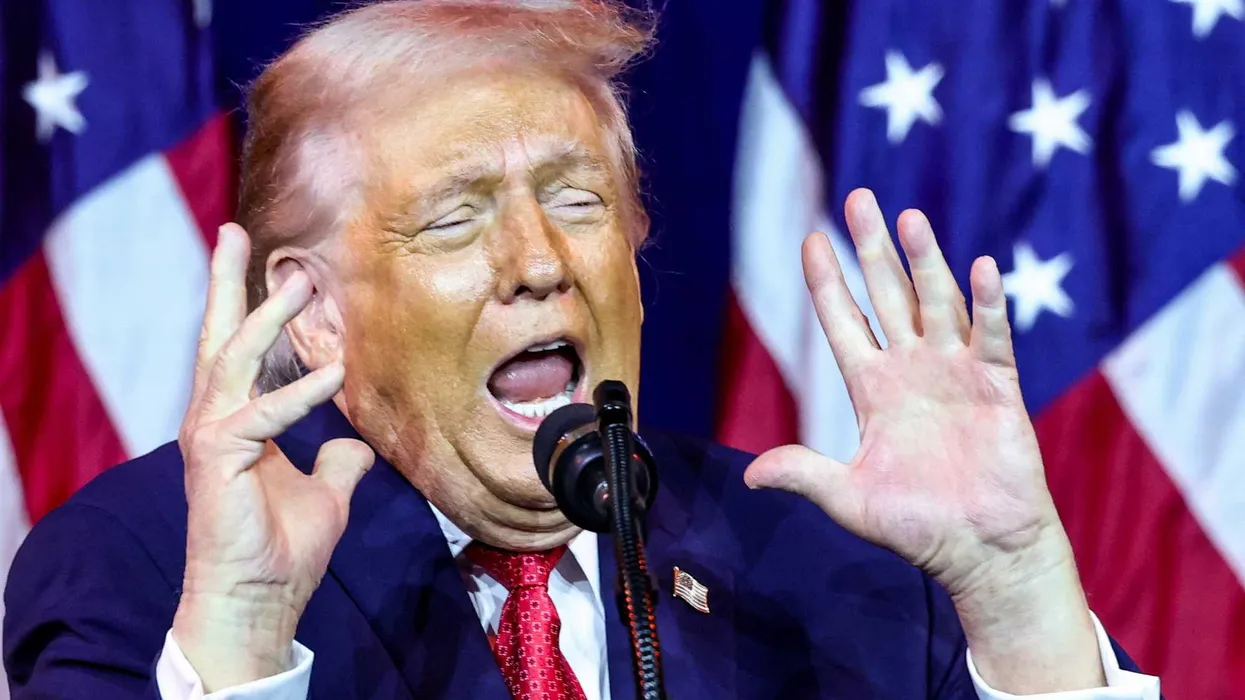
Ces derniers mois, les inquiétudes se sont multipliées concernant la santé physique et mentale du président Donald Trump, des sondages indiquant qu’une majorité d’Américains doutent de sa « stamina and sharpness » pour diriger. La question de l’aptitude présidentielle a historiquement fait l’objet d’un examen public à travers les administrations, mais le cycle actuel a été amplifié par l’âge de Trump — il compte parmi les présidents les plus âgés à avoir exercé — ainsi que par la visibilité de ses apparitions publiques sans filtre. Vendredi, un membre de sa famille a évoqué publiquement son « undiagnosed condition » et ce qu’il « fears most ».
Ces propos ont été tenus par la nièce de Trump, la psychologue Mary L. Trump, lors d’un échange avec le stratège politique Sidney Blumenthal. Mary Trump, titulaire d’un doctorat en psychologie clinique et autrice du mémoire familial à succès de 2020 Too Much and Never Enough, compte parmi les critiques les plus en vue issues de l’entourage du président. Blumenthal a posé la question de savoir si le président « has always been crazy. We know he's mad, but is the deterioration accelerating, and how fast? »
« I think that's a really good and important point to underscore, » a déclaré Mary Trump. « This isn't a different guy. This isn't somebody who's suddenly becoming a worse person or a more unhinged person. You see some of Donald's former allies trying to distance themselves from him by saying, 'He's not the guy I knew.' Yes, he is. He's been exactly the same person for decades. What we're seeing now is the perfect storm of cognitive, psychological, and physical decline simply revealing who he is in a way that's making it more obvious for people who either haven't been paying attention or, for their own reasons, wanted to give him the benefit of the doubt and pretend he was something he wasn't. So yes, the decline is worsening, and that's simply what happens. »
Elle a ensuite soulevé la question de « his psychiatric disorders », affirmant qu’il s’agit de « these are longstanding, untreated, undiagnosed conditions », et expliquant : « When you don't treat an illness, it worsens over time. The psychological deterioration is also being accelerated by the combination of cognitive and physical decline. He's 80 years old, and he's not healthy. Alzheimer's runs in my family. My grandfather had Alzheimer's, and his symptoms began worsening in his early eighties. He was also physically healthier than Donald is. » Le grand-père de Mary Trump, Fred Trump Sr., est mort en 1999 à l’âge de 93 ans ; ses dernières années ont été marquées par une santé déclinante, devenue un fait établi lors de procédures judiciaires familiales ultérieures.
Blumenthal a observé que « Donald loves strongmen, and he loves to be seen as a strongman himself. He loves to cozy up to Vladimir Putin and stand beside Xi Jinping. He talked endlessly about the love letters he received from Kim Jong Un. Now, however, he's encountered actual strongmen who are defeating him. This must be a tremendous shock to him. »
Cela a conduit Mary Trump à insister sur la fragilité de son oncle, en décrivant en quoi elle alimente ce qu’elle identifie comme sa plus grande peur.
« I don't know that he can grapple with it on a conscious level, which is exactly why he's becoming increasingly desperate, » a-t-elle expliqué. « He's trying to do several things simultaneously: change the subject, change the narrative, and somehow manufacture a win. What I find fascinating is that, because of the ways in which he admires and makes himself subservient to so-called strongmen, he reveals just how weak he actually is. It reminds me of one of the fundamental truths about Donald that people need to understand. »
« The thing he fears most is humiliation, » a-t-elle poursuivi. « And right now, he's being humiliated on a daily basis by the consequences of the very things he chose to do, from the ridiculous, like the reflecting pool, to something as catastrophic as the war with Iran. Deep down, he is now, just as he has always been, a terrified little boy. Everything he does is driven by fear and by a desperate need to avoid humiliation. »
Selon Mary Trump, cette dynamique a rendu le président vulnérable à la manipulation. Elle a expliqué que les personnes de son entourage « understand his narcissism and his profound insecurities. He'll approve almost anything as long as he's getting what he wants in return. Right now, what he wants most is adulation, compliments, power, and money. Mostly money, but the rest matters to him too. »
