UCC Group se asocia con ACOM de ECOM para lanzar un programa de regeneración del café en Vietnam
Puntos clave
- •UCC Group se asocia con ACOM para lanzar un proyecto de producción regenerativa de café en Vietnam.
- •La finca piloto probará prácticas regenerativas como árboles de sombra y compost orgánico para mejorar la productividad y la resiliencia.
- •UCC utilizará el proyecto para medir reducciones de gases de efecto invernadero a nivel de finca como parte de su objetivo de alcanzar la neutralidad de carbono para 2040.
- •El proyecto pondrá a prueba un modelo de carbono inset que incluye la aplicación de biochar y una menor utilización de fertilizantes químicos.
- •ECOM señala que la iniciativa podría ampliarse en los próximos años para respaldar menores emisiones en toda la cadena de suministro del café.
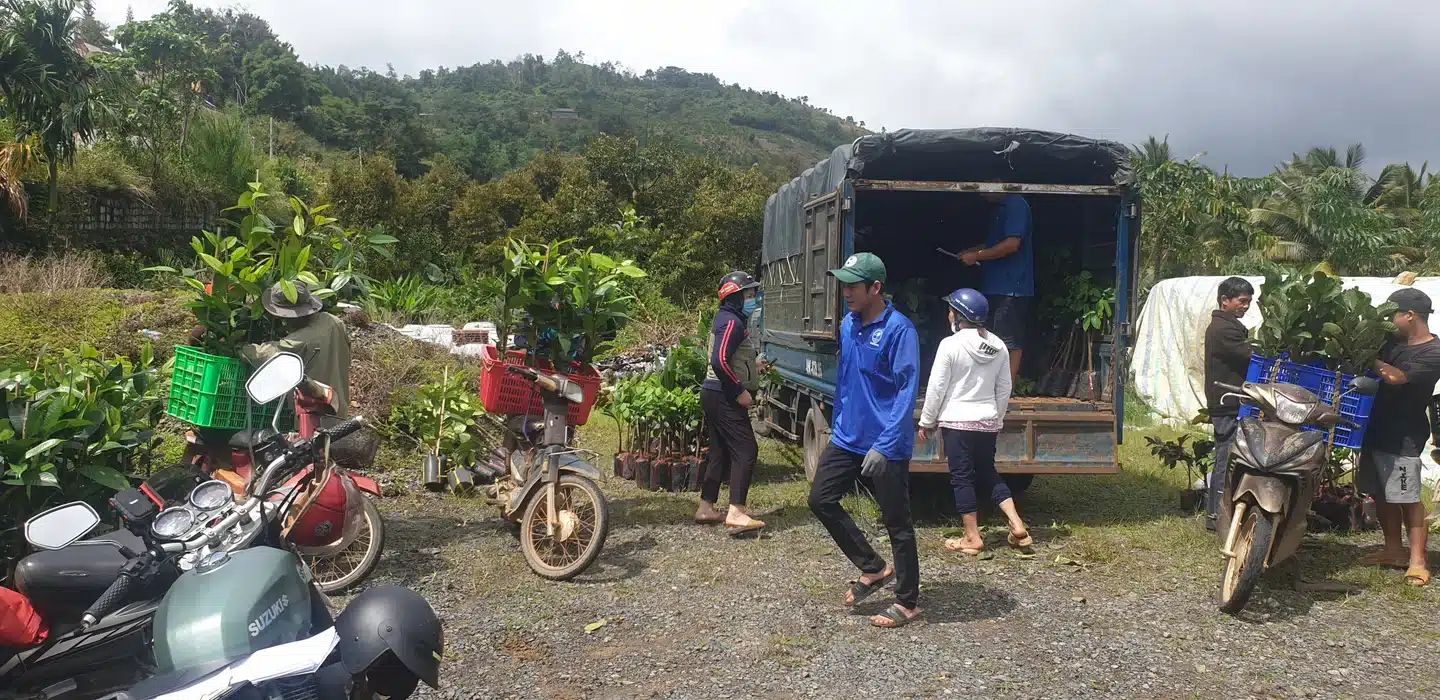
Japan's UCC Group, one of the country's largest coffee companies, is partnering with ACOM, the Vietnamese subsidiary of the ECOM Group, one of the world's largest coffee merchants, to launch a new regenerative coffee production project in Vietnam. Aligned with the company's purpose of "Unleashing the power of coffee for a better world," the initiative aims to build a sustainable procurement model that delivers positive environmental impact.
A pilot farm will be established to verify the effectiveness of regenerative agriculture techniques, including the introduction of shade trees and the use of organic compost. The implementation of these practices is expected to improve tree growth and increase yield while enhancing the crop's adaptability to environmental stress caused by climate change. Farming methods of this kind, which target soil health, biodiversity, and on-farm resilience, have gained traction across the coffee industry as companies look to address climate risk at origin.
Vietnam is the world's second-largest coffee producer and the largest grower of robusta, the variety used extensively in instant coffee and espresso blends. "Vietnam, one of the world's leading coffee-producing countries, is an inseparable and special partner to Japanese coffee culture," says Masahito Hibi, Section Chief of the UCC Japan Sustainability Promotion Office. "The UCC Group has been deeply committed to improving quality through the establishment of local offices and the holding of quality contests, and that relationship is now evolving to the stage of jointly creating environmental value. Through collaboration with ECOM and ACOM, we will promote initiatives that enable producers and consumers to build a win-win relationship."
With a goal of achieving carbon neutrality by 2040, UCC will also use the project to assess how greenhouse gas emissions can be reduced at the farm level. At the pilot farm, the company will test a "carbon inset" model that promotes the reduction and absorption of emissions within the supply chain through the application of biochar and the reduction of chemical fertilisers. Insetting differs from conventional carbon offsetting in that the emission reductions and absorptions take place inside a company's own supply chain, here on the farms supplying UCC, rather than being purchased from external projects. Biochar, a charcoal-like material produced from plant biomass, is applied to soil as a stable form of carbon storage.
"This groundbreaking project presents a fantastic opportunity to strengthen the relationship between ECOM and UCC for sustainable coffee sourcing in Vietnam," says Thuan Sarzynski, ECOM Vietnam Sustainable Management Services Manager. "Through this project, we will document our carbon emission reduction efforts, which can be scaled over the next few years. We are committed to reducing carbon emissions throughout the coffee supply chain and contributing to UCC's achievement of its net-zero target."
Source: Global Coffee Report

